
Analog3 min
Solar window film: when it pays off and when it doesn’t
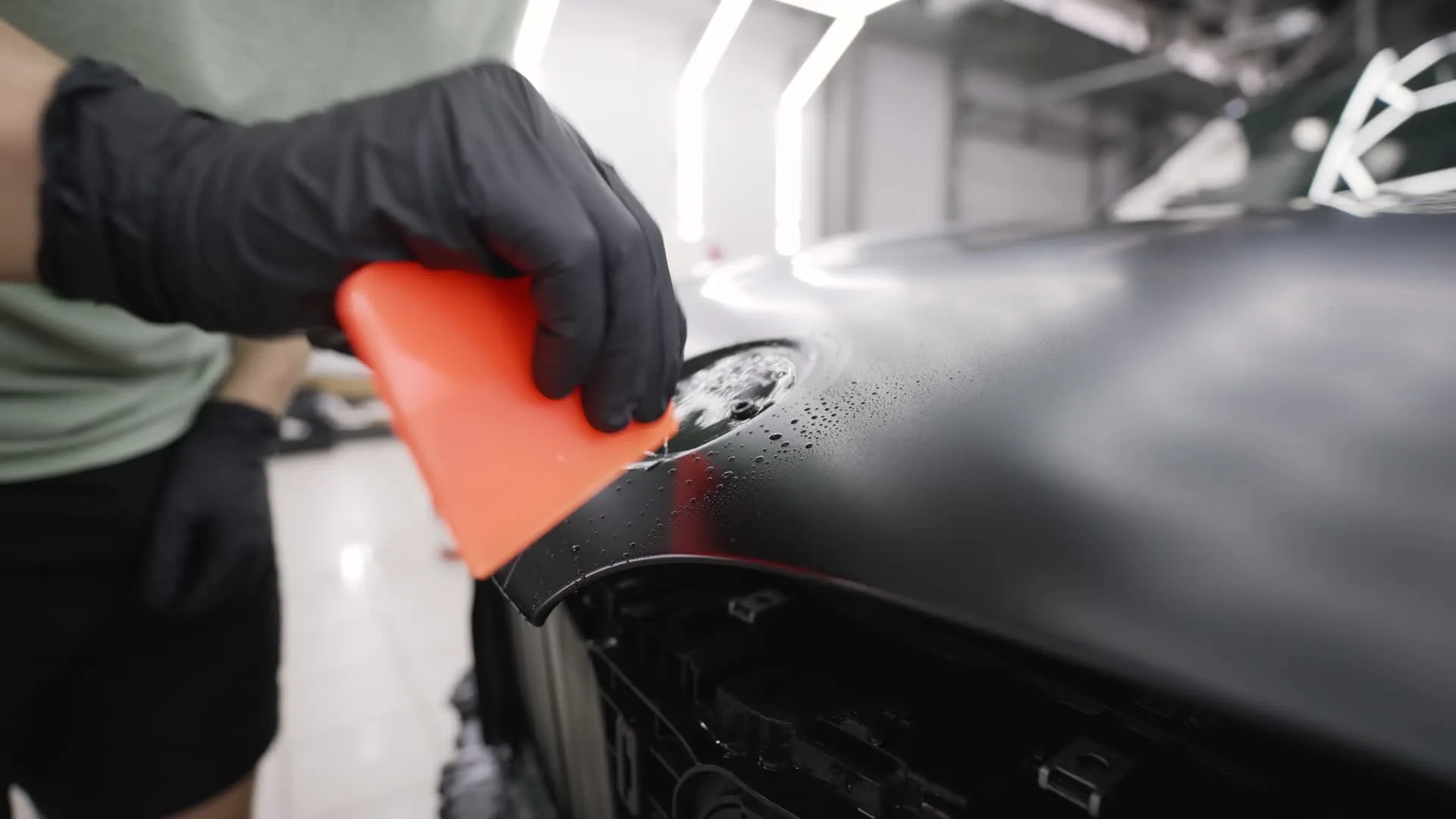
Too hot in the office, faded furniture, glare on the screen: a solar window film often fixes it in a day. What it does, where its limits are and what we check before fitting.
Knowledge & industry
What has changed in digital signage, signage, web and AI visibility – and what actually matters day to day. Written by the people who install the equipment themselves.
Too hot in the office, faded furniture, glare on the screen: a solar window film often fixes it in a day. What it does, where its limits are and what we check before fitting.

ChatGPT, Perplexity and Google AI answer questions instead of showing links. Anyone who wants to be mentioned has to write differently.
Screens have become cheaper, content more demanding and operation more important than the hardware. A retrospective from installation practice.
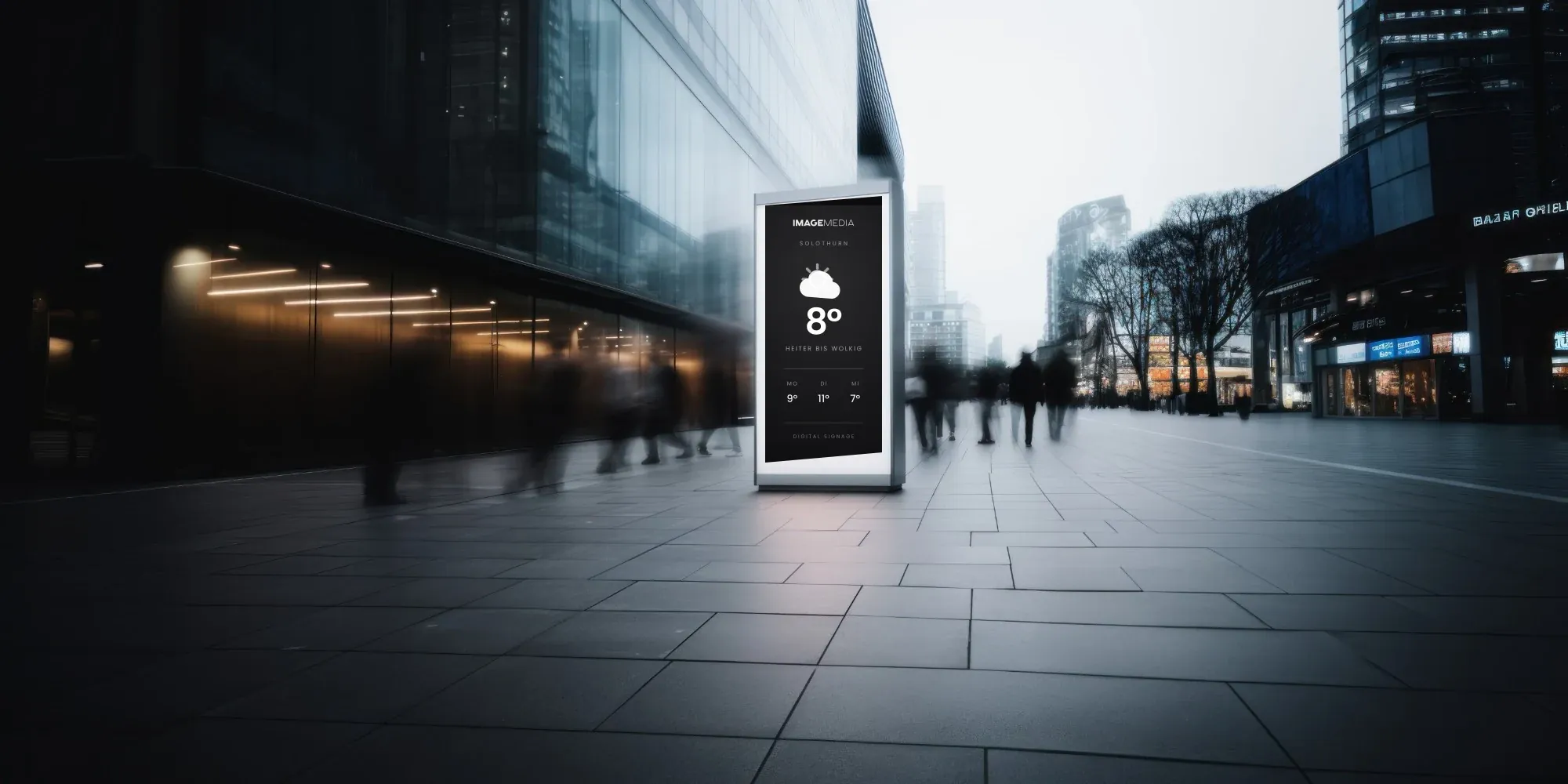
Sun, reflections and heat behind glass decide whether a shop window display works. What nits mean, which values are enough and what matters for film, power and operating hours.

Three technologies share large-format printing. The difference is not in the picture but in smell, durability and material.
In Switzerland almost every façade sign needs a permit from the municipality. Anyone who knows the procedure, documents and deadlines does not lose months over it.
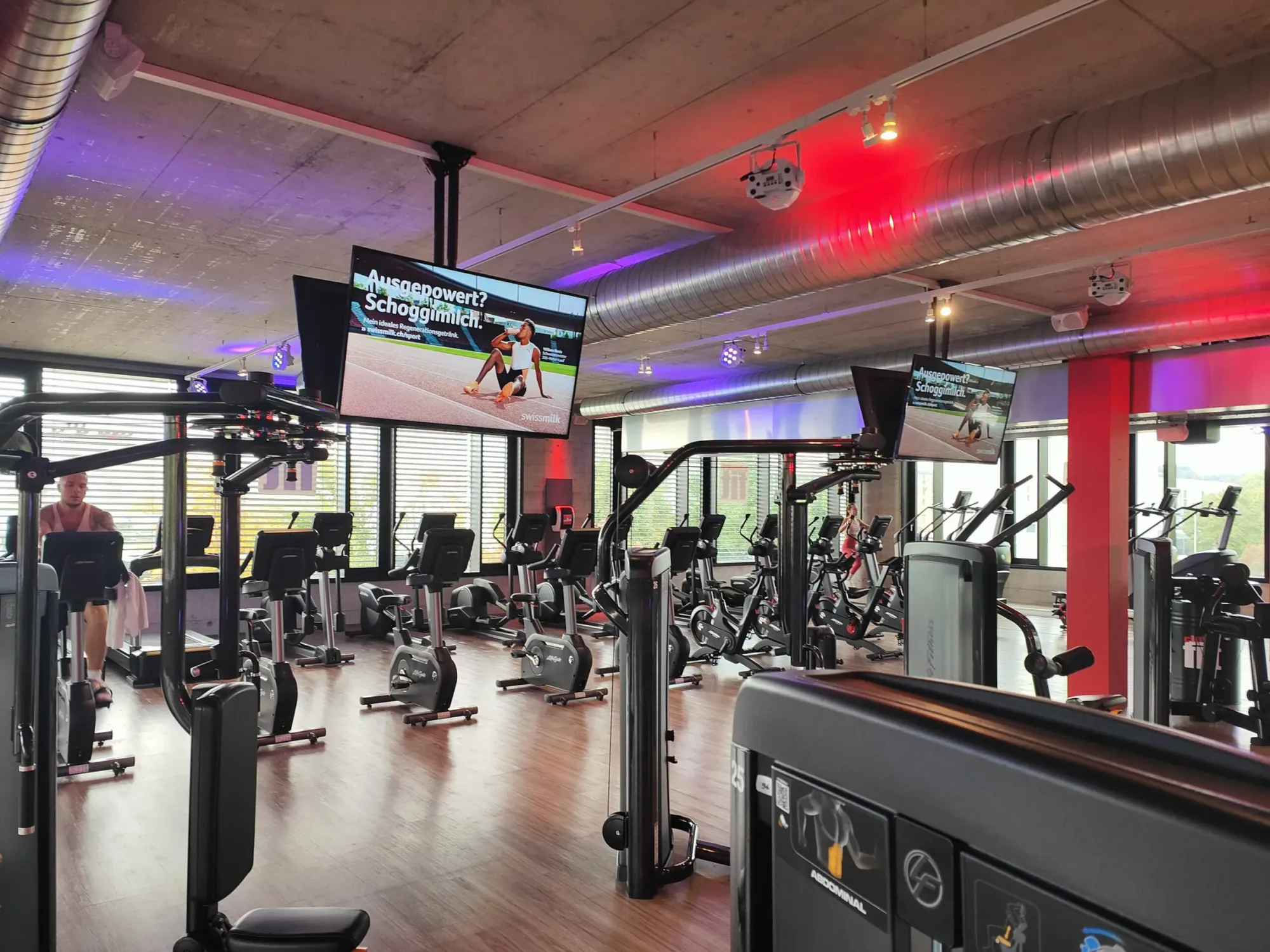
Digital Out of Home is growing because attention is where people are waiting anyway. Figures, formats and how a campaign is built.

The revised Data Protection Act has applied since September 2023. What is mandatory for your website, what merely looks good – and the checklist for the next meeting.
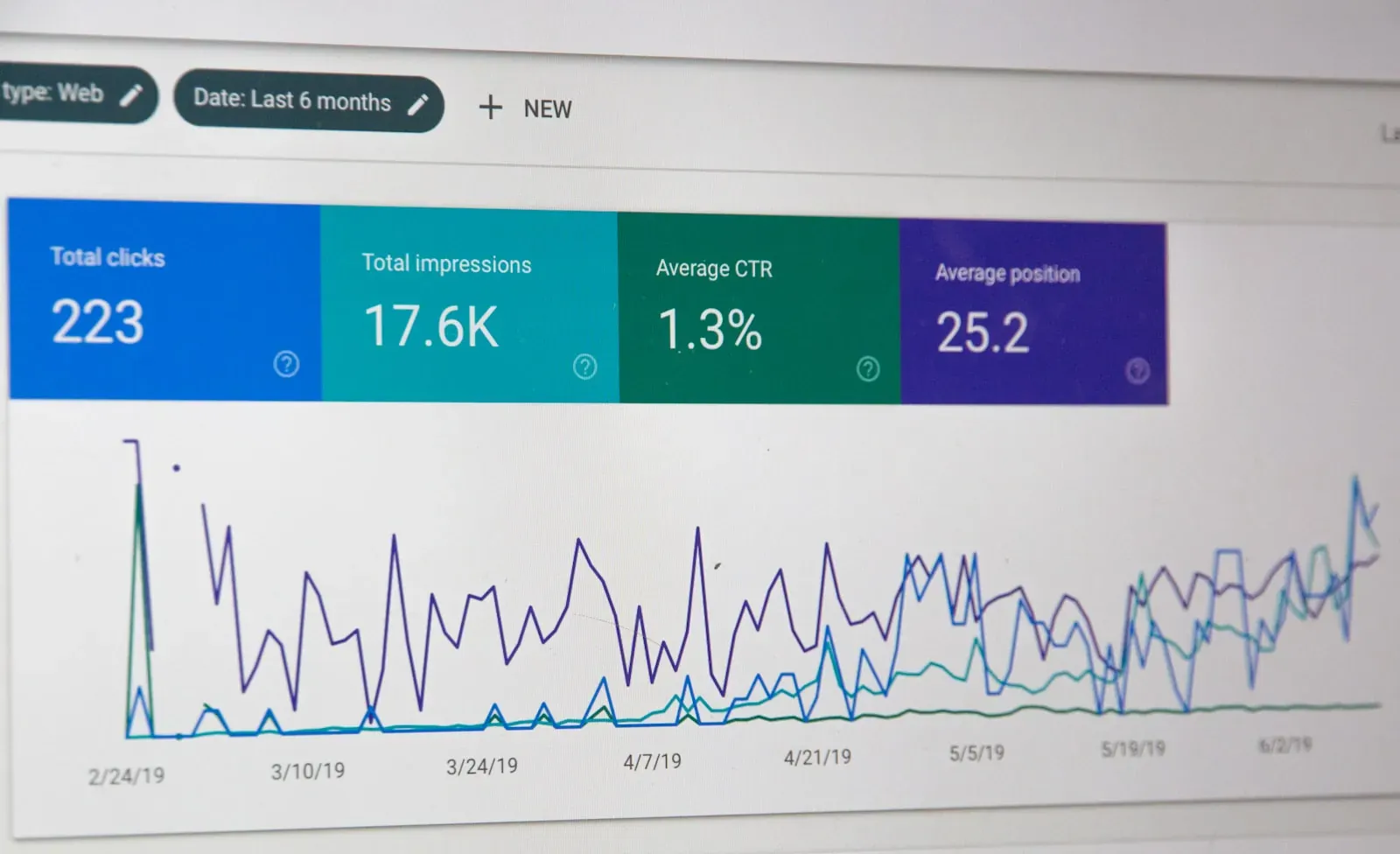
Since 2020 Google has measured how quickly and calmly a page loads. The three values are easy to explain – and usually cheap to improve.

A screen in the waiting room can inform or annoy. Which content lands, whether sound makes sense, what data protection demands for patient calls and how practice, pharmacy and municipality benefit.

A lettered van is the cheapest advertising space a business owns. If film, application and care are right.

Cast or calendered, monomeric or polymeric: the choice of film decides years of durability. An overview of types, laminates and adhesives from application practice.
The television in the room is the only screen every guest switches on. What modern hospitality systems can do today.

For businesses with premises, the Google Business Profile is the most important entry on the web. And the most neglected.

Accessibility is regarded as an obligation of public administration. For SMEs it is above all reach: more reachable customers, better usability, more stable rankings.
Anyone booking advertising on screens encounters terms such as contacts, loop and proof of play. What they mean and how to plan a campaign in the network so that it works measurably.

Since 2020 every meeting is potentially hybrid. The technology for it is mature – the most common problems lie elsewhere.

Seven processes decorate textiles, and each has its own strength. Which suits your quantity, your design and your fabric – and what survives the washing machine?

Good wayfinding goes unnoticed. It prevents questions at reception – and that is its measurable benefit.

One network serves search intent, the other interests. When which one pays off, how local campaigns work and which mistakes burn budget.

A Swiss shop has different requirements from a German one. Payment methods, shipping and price indication decide the sale.

The feature list is similar across all systems. The difference shows in everyday use – with the people who maintain the content.
Most screens fail not because of the technology but because of the slide on them. Ten rules on type size, contrast, animation, duration and data feeds that have proved themselves in practice.
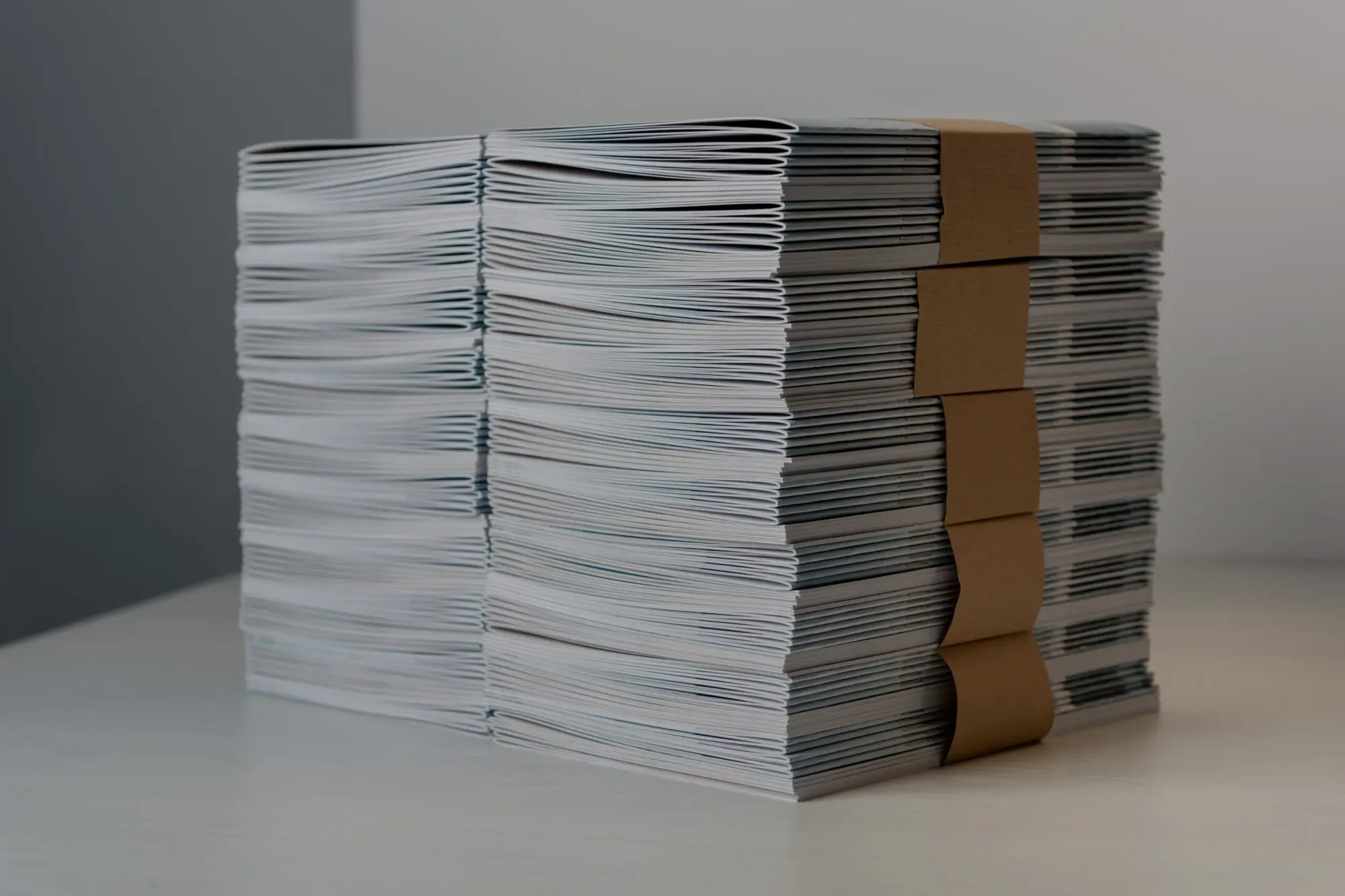
Less is printed, but more precisely and to a higher standard. What that means for brochures, mailings and packaging.
In traffic there are three seconds before the vehicle has passed. How type size, hierarchy and choice of surface decide what sticks.

Good web copy serves search intent first and benefit second. How to structure pages, anchor them locally and work with AI without annoying Google.

LED walls have become affordable. Even so, the classic display wall is often the better choice. It comes down to distance.

After every second relaunch, traffic collapses. That is avoidable – with a list worked through before going live.
A trade fair presence costs as much as a small campaign. What makes it a success is decided before the build.
Chalkboard and paper menu cost time every day. How digital menu boards automate the daily menu, allergens and price changes, where they hang above the counter and how the till plays along.

Most delays in printing arise in the file, not at the machine. Seven points from colour space to PDF/X that make your data truly print-ready.

The shop is built quickly; logistics decides the margin. Post, Planzer or DPD, warehouse or fulfilment, returns, packaging and customs papers.

After two years of practice we can name which AI applications really hold up in an SME and which fall asleep after three weeks.
PVC-free films, recyclable panels, FSC paper and latex inks have become everyday. Where they are suitable – and where they still hit limits.

An assistant that knows your documents answers standard questions around the clock. How RAG works, what data protection demands and where the limits lie.