Guide
Waiting room TV: what patients really want to see
A screen in the waiting room can inform or annoy. Which content lands, whether sound makes sense, what data protection demands for patient calls and how practice, pharmacy and municipality benefit.
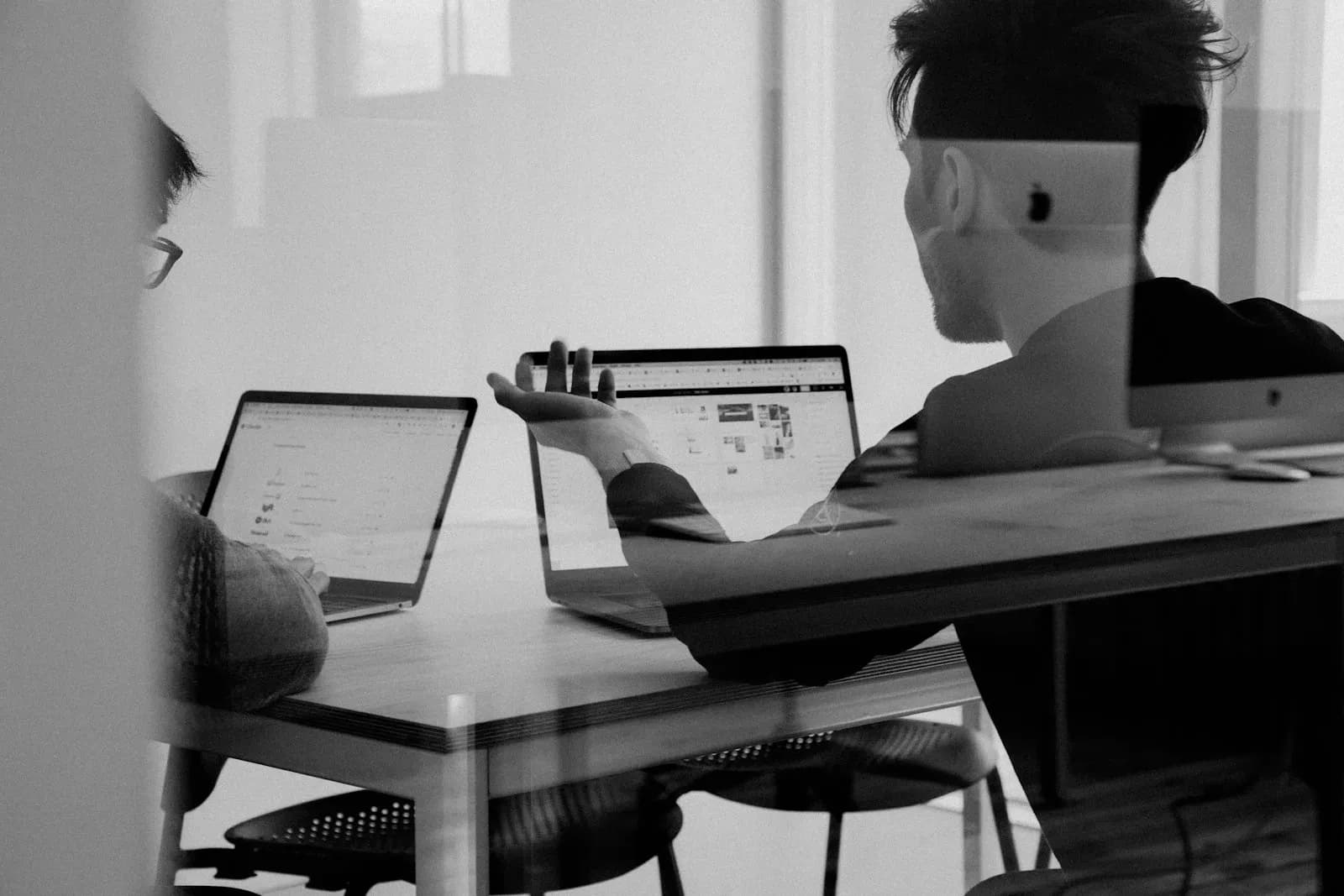
Anyone sitting in a waiting room has on average 15 to 25 minutes and usually a phone in hand. A screen only wins that attention if it shows something useful right now. In consultations with medical practices, dentists and pharmacies we see the same questions again and again – here are the answers from practice.
Which content belongs on the waiting room screen?
First comes what directly affects those waiting: the current waiting time, the call to the treatment room, holiday absences, opening hours, new staff, vaccination campaigns and the note that prescriptions can be ordered by e-mail. Then come contents with benefit: short health tips from the practice, explanations of common treatments, pollen and weather data, regional events.
- Good: your own topics in three to five sentences, calm images, a change every 10 to 15 seconds.
- Bad: news channels with disaster reports, constant advertising from pharmaceutical companies, walls of text.
- A cycle of 8 to 12 minutes suits the waiting time; after that the loop starts again.
Sound or no sound?
Our clear recommendation: no sound. Voiceovers disturb phone calls at reception, overlay confidential conversations and tire the staff who hear the same loop 40 times a day. A discreet signal for the call is enough. Anyone who wants music plays it separately and quietly over a separate system. Note: music and television programmes in the waiting room count as public performance and fall under SUISA's joint tariff 3a. Your own silent content triggers no such levy – another reason for silent operation.
Data protection when calling patients
Since the revised Data Protection Act (FADP, 2023): health data is particularly sensitive, and even the fact that someone is sitting in a particular practice is part of it. The full name therefore never appears on the screen. Ticket numbers or first name with the initial of the surname have proved themselves. The reception screen must not show any patient data from the software; where reception and waiting area can see each other, a second monitor or a privacy film helps.
Calling systems and connection to the practice software
A calling system consists of three parts: ticket issue or check-in at reception, display on the screen and triggering from the treatment room by button, tablet or from the practice software. The connection to the diary is the point where many systems fail. We therefore clarify before the quote which software is in use and whether it has an interface. If not, manual calling via a tablet remains – reliable, but one more step.
Screen, position and installation
For a waiting room with 8 to 15 seats a 43- to 50-inch display is enough; for larger waiting areas 55 inches or two devices. The centre of the picture for seated viewers is at 1.4 to 1.6 metres, not standing height. The screen does not belong opposite the window, otherwise it reflects. A signage device with built-in player and timer runs without a remote, which otherwise disappears at some point.
Pharmacies and municipalities
For pharmacies, waiting times for prescriptions, flu and pollen notices and promotions from their own range work well. Municipal administrations show voting dates, the waste calendar, waiting numbers and notes on online services at the counter – and relieve reception.
Conclusion
A waiting room screen convinces with its own current, silent content, clean data protection when calling patients and installation at seated height. We set up the system including the calling system and maintain the templates on request, so the practice only has to adjust texts.
More articles
News
Ten years of digital signage: what has really changed
Screens have become cheaper, content more demanding and operation more important than the hardware. A retrospective from installation practice.
Digital signage in the shop window: how bright does the display have to be?
Sun, reflections and heat behind glass decide whether a shop window display works. What nits mean, which values are enough and what matters for film, power and operating hours.
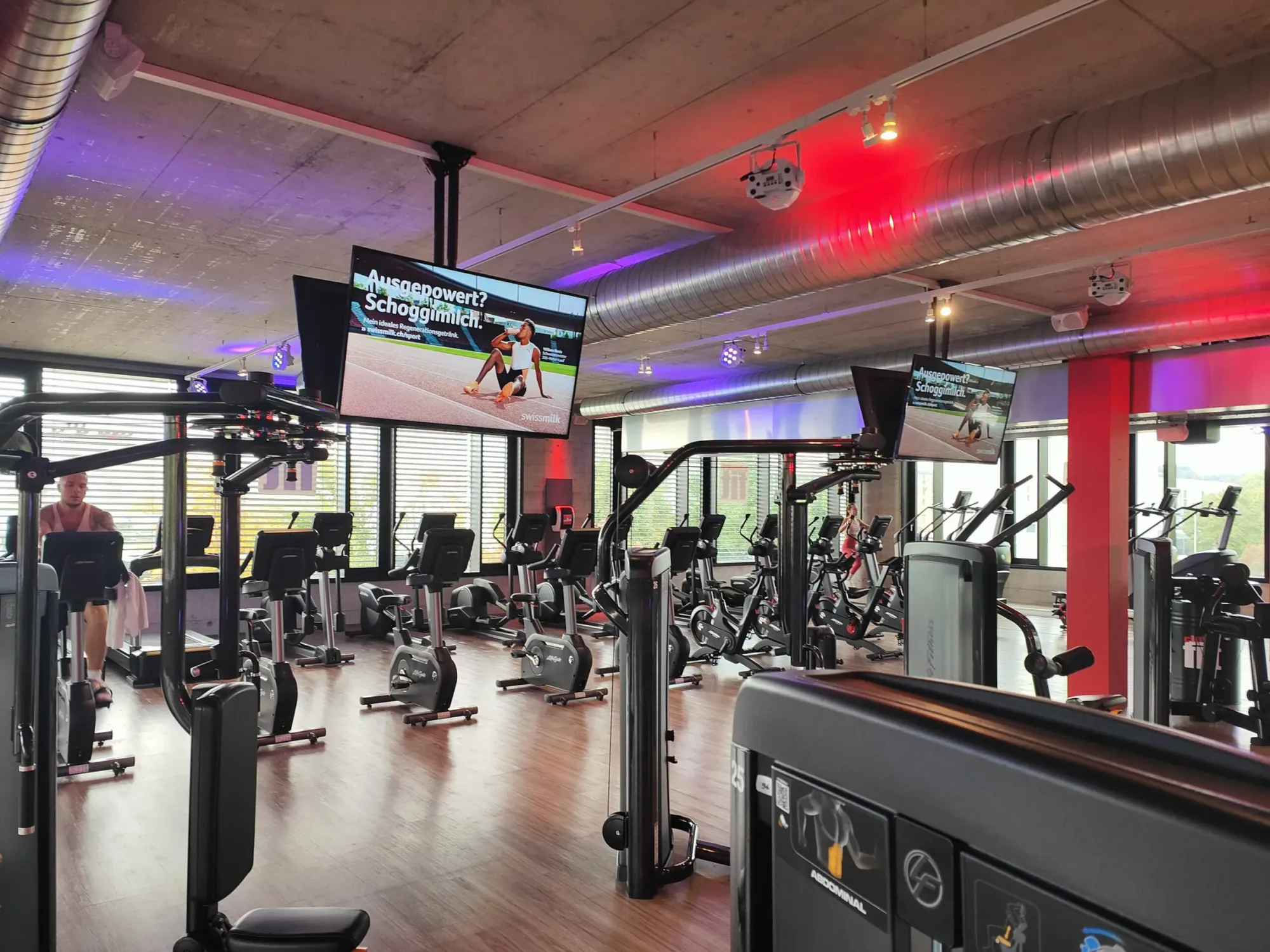
DOOH in the gym: why advertising lands where people wait
Digital Out of Home is growing because attention is where people are waiting anyway. Figures, formats and how a campaign is built.