Invisible
In-ceiling and in-wall speakers: planning, installation and sound
Music in the kitchen, bathroom and living room without a speaker standing around. Which types of built-in speakers there are, where they belong, what matters behind the ceiling and when you need to plan them in.
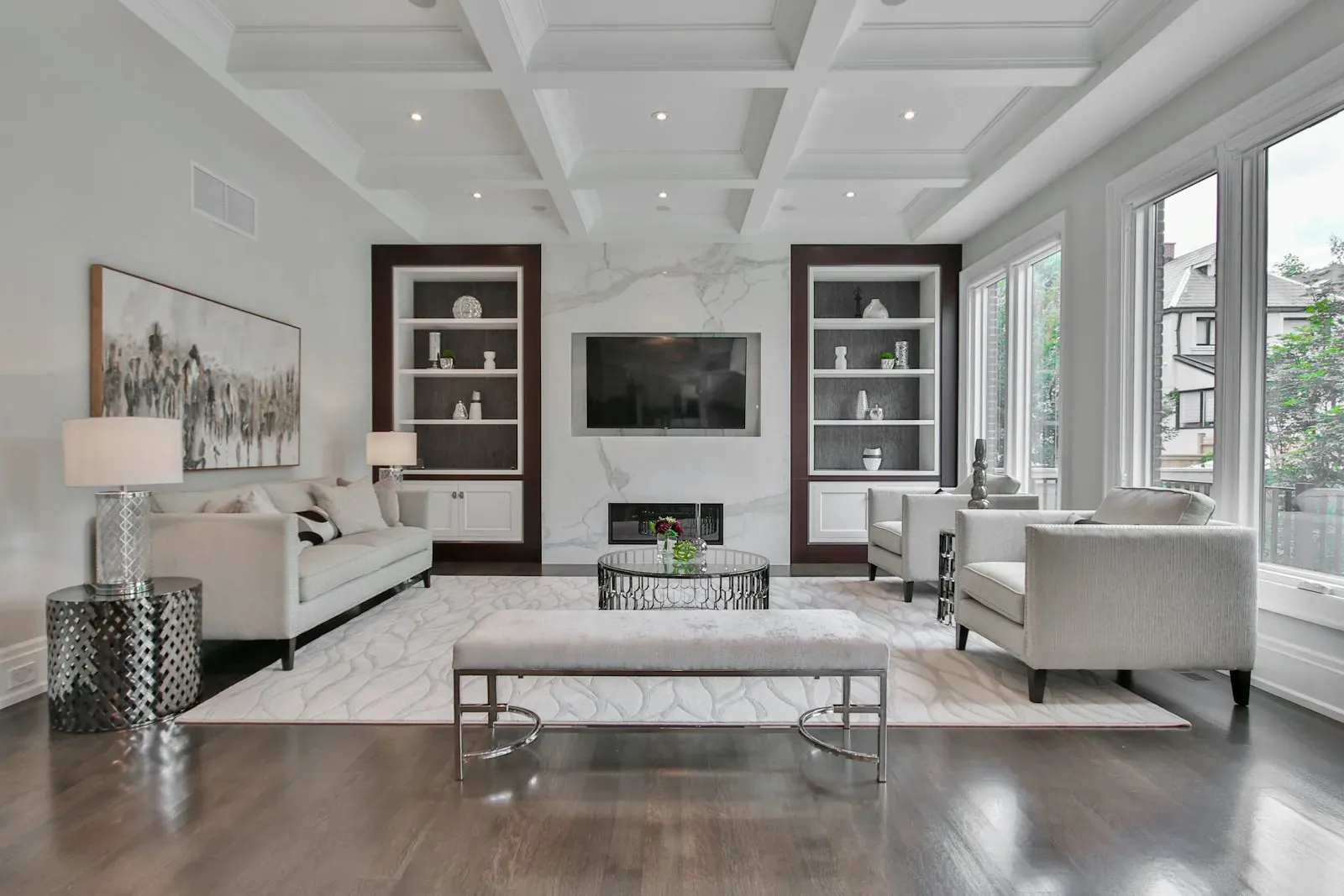
Built-in speakers sit flush in the ceiling or wall and can hardly be seen once the room has been painted. They bring music into rooms where there is no space for speaker cabinets, and in a home cinema they deliver the sound from above. For them to sound good, planning has to start early.
What are built-in speakers suitable for?
- Everyday music: kitchen, dining area, bathroom, hallway, bedroom.
- Home cinema: height channels for Dolby Atmos and unobtrusive speakers at the back.
- Rooms with clean architecture where no technology should be visible.
- Damp rooms and covered outdoor areas, with models built for the purpose.
Which types are there?
- In-ceiling speakers: round or square, with a thin grille that holds magnetically and can be painted in the ceiling colour.
- In-wall speakers: rectangular, at ear height or just above. They sound more direct and are suitable for stereo and for the front channels in a home cinema.
- Plaster-over speakers: They disappear completely behind gypsum or plaster. Afterwards there is nothing left to see.
- Damp-room models: with protected cones and rust-proof grilles for bathroom, spa and canopy.
How many speakers does a room need?
Stereo needs two. In small rooms such as a bathroom or cloakroom, a single stereo speaker that reproduces both channels in one housing is enough. In large or long rooms, four speakers are better than two loud ones: the sound is more even, and nobody sits directly under a sound source.
For placement:
- spread them evenly across the area, not in the corners,
- keep a distance from the walls, otherwise the bass booms,
- draw lamps, ventilation and sprinklers into the same plan from the start.
In a home cinema the ceiling speakers follow the seating position: one pair slightly in front of it and, with four height channels, a second pair slightly behind it. More on this in the article Dolby Atmos at home.
What matters behind the ceiling?
The space behind the speaker is part of the sound. We clarify four points before installation:
- Mounting depth: Does the speaker fit into the cavity? In suspended ceilings, space is often tight.
- Rear volume: A speaker in a defined enclosure sounds more controlled than one that plays freely into the cavity.
- Sound travelling upwards: Without an enclosure and insulation, you can hear the music in the room above. A back box keeps the sound in the room.
- Concrete ceiling: Here installation housings are placed before the concrete is poured. Afterwards it only works with a suspended ceiling.
Where does the amplifier go?
Built-in speakers are almost always passive. So they need a speaker cable running to an amplifier. This doesn't sit in the room but in the central equipment room or in a cupboard. Each room gets its own zone and can be played individually or together with others. The result is a multiroom system that you operate via app, push button or wall panel. The article Music throughout the house explains the differences between the systems.
When do I need to plan?
As early as possible. In a new build and during a renovation, the cables and housings are put in before ceilings are closed and walls are plastered. We coordinate the positions with the architect, electrician and plasterer.
Retrofitting works well in plasterboard ceilings and lightweight walls: the cut-out is sawn and the cable is pulled through the cavity. In solid ceilings the effort is considerably greater.
How good do built-in speakers sound?
Good built-in speakers sound clean and fill a room pleasantly evenly. For everyday music and for film sound from above, they are the best solution. For focused listening in an armchair, a pair of well-placed speakers remains superior, because it presents the music in front of you and not above you. That's why many homes combine both: built-in speakers in the everyday rooms, a stereo pair in the living room.
Conclusion
Built-in speakers are a matter of planning. If you fix the position, back box and cable in good time, you get music throughout the house without seeing a single speaker.
More on this: invisible speakers and multiroom audio.

In person
Philip Fiumi
Managing Director
Questions about Invisible speakers?
Write or call. We’ll advise you with no obligation and get back to you within one working day.
More articles
News
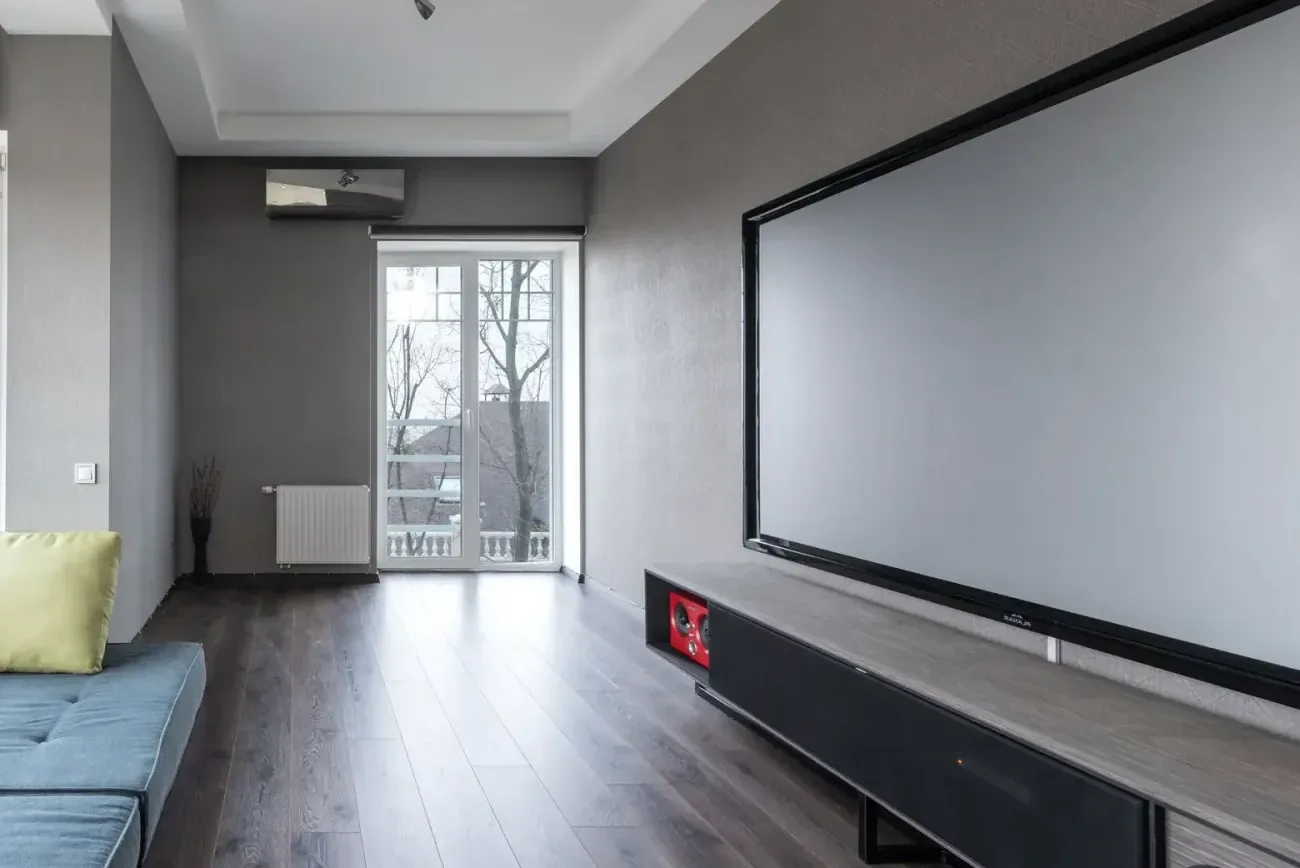
Subwoofer placement and setup: position, crossover frequency and phase
Is the bass booming, or missing altogether at the sofa? It usually comes down to the position and three controls. Here is how to find the right spot for the subwoofer and set crossover frequency, phase and level correctly.
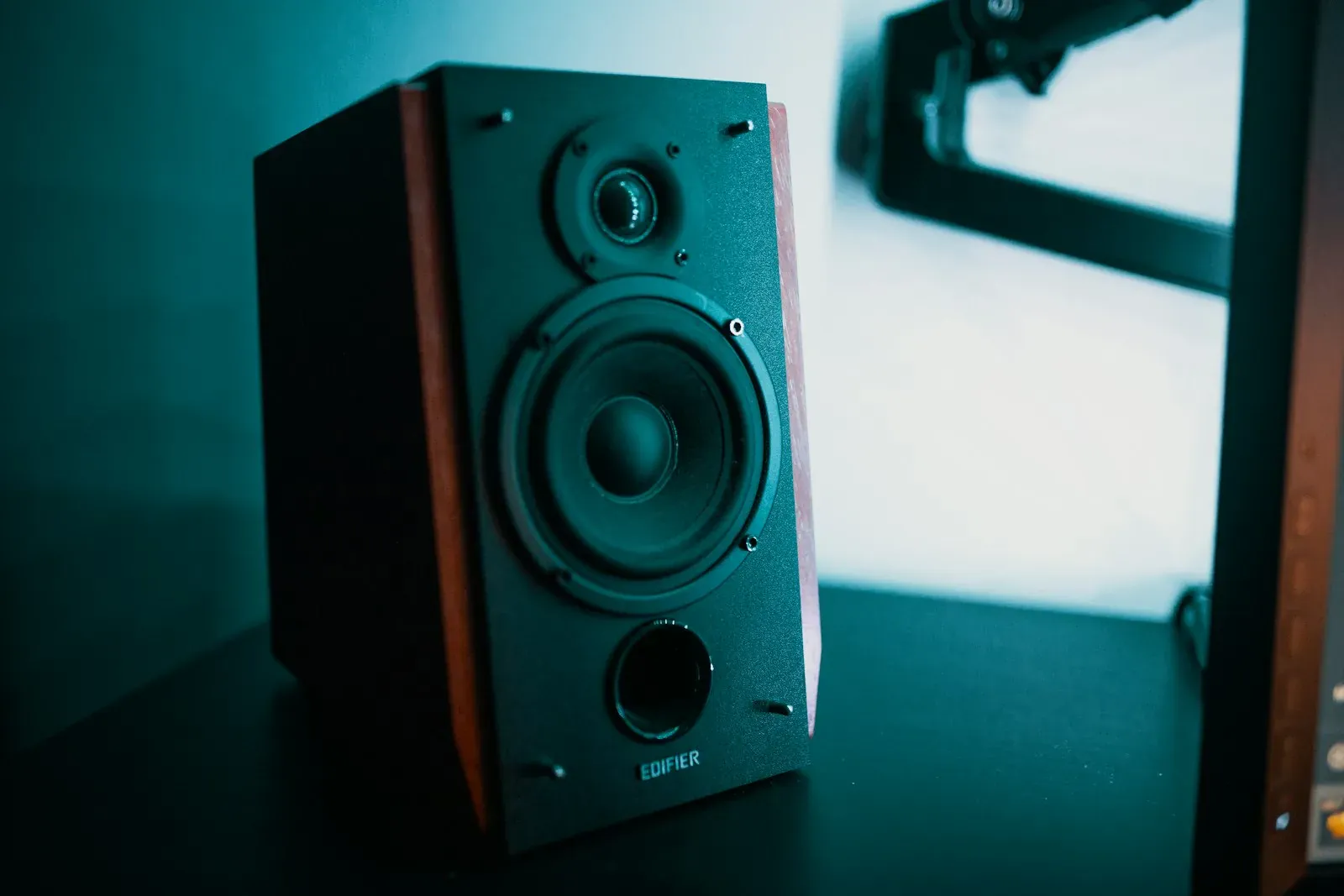
The stereo system today: what a good music system needs
Two speakers and an amplifier are enough for music that moves you. Which three routes there are today, where the budget achieves the most and how to bring an older system into the streaming age.
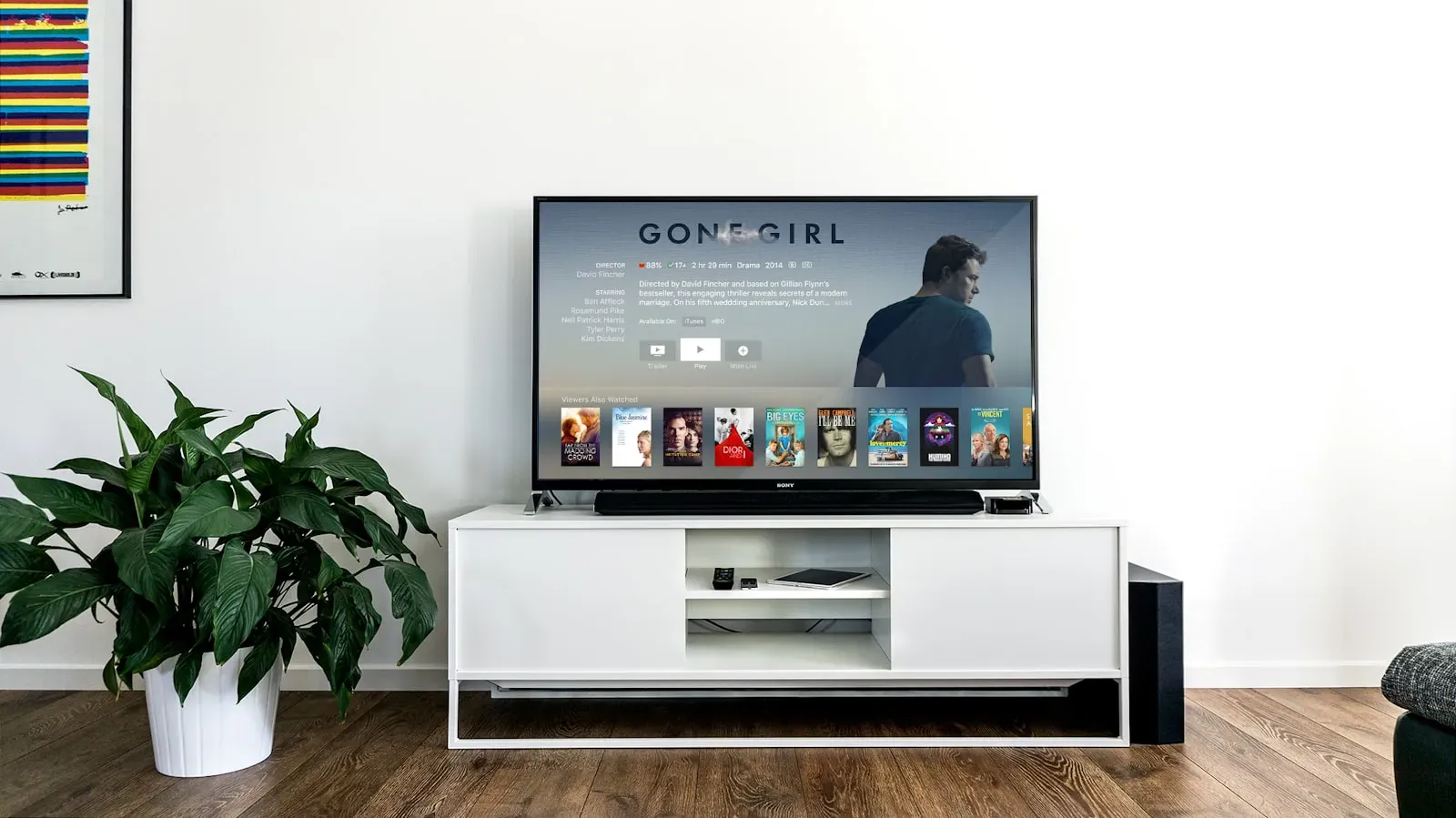
Soundbar or system: what the living room really needs
A soundbar is connected in ten minutes; a system with amplifier and speakers sounds better. When which solution fits, and what lies in between.