Sound
Music throughout the house: multiroom without cable clutter
One system, many rooms, one app. What distinguishes Sonos, Bluesound and hard-wired solutions.
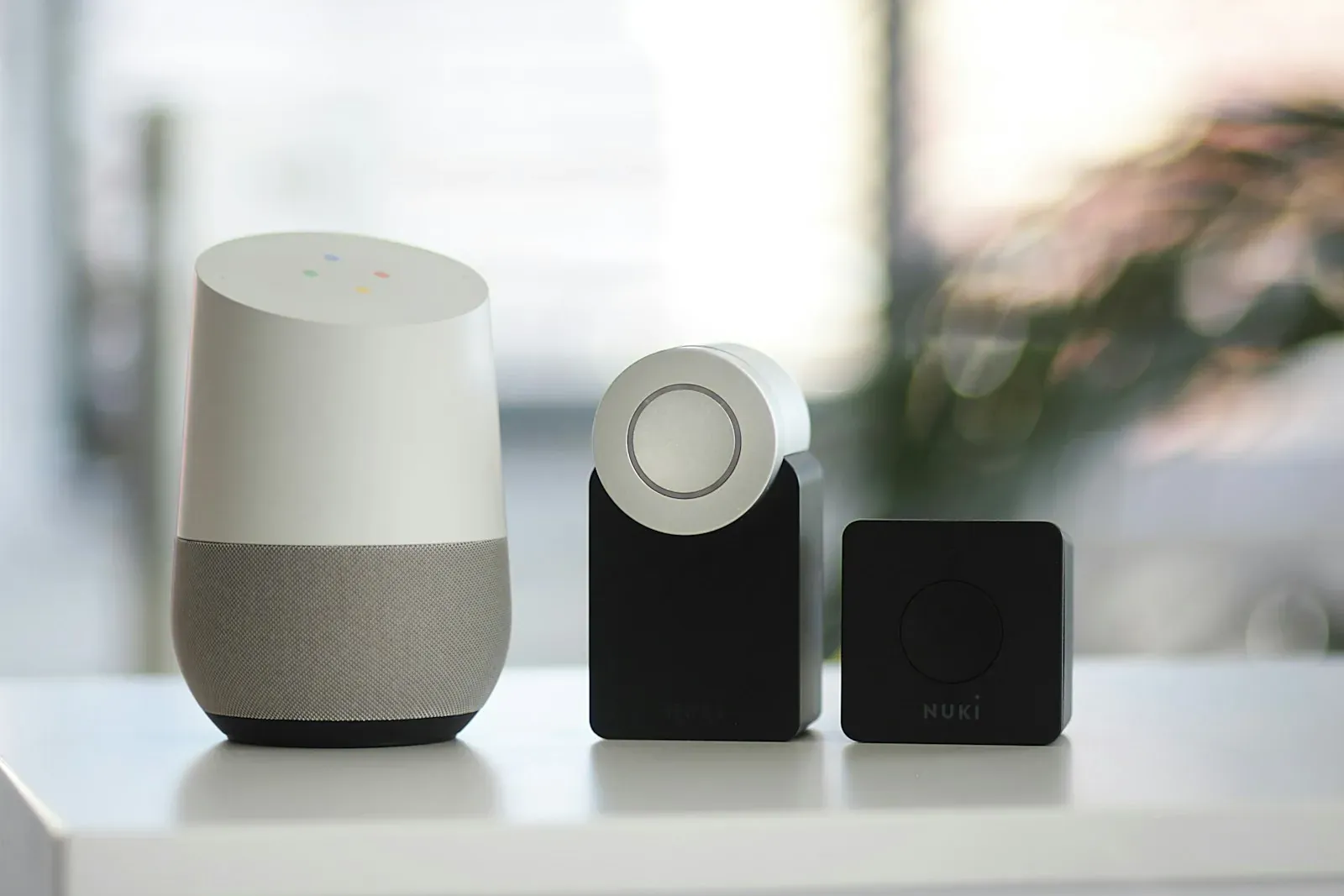
Music that follows you through the home is the most used piece of building technology of all – more often than any lighting scene. Three routes lead there.
Wireless: simple and flexible
Systems such as Sonos or Bluesound work over WiFi. You place a speaker, connect it to the app, done. For rented flats and step-by-step build-up that is the right choice. The prerequisite is WiFi that carries throughout the house – that is where most installations fail, not at the speakers.
Hard-wired: invisible and lasting
In a renovation or new build we pull speaker cables into ceilings and walls. The speakers disappear behind the plaster line; amplification is central in the technical cabinet. That is the more involved but longer-lasting solution – no power supply per room, no firmware per speaker, no visible devices.
Mixed: the normal case
In practice we combine both: hard-wired where building work is happening anyway, wireless in rooms that are added later. What matters is that one app controls everything and the music switches between rooms without delay.
What really improves the sound
- The position: a speaker in the corner sounds boomy; 30 centimetres from the wall it sounds clear.
- Two instead of one: stereo is a bigger leap than the next model up.
- A subwoofer in the living room, correctly calibrated.
- Room correction, which many systems include and hardly anyone runs.
What a system costs
A good-quality wireless speaker is quickly sourced per room and set up in minutes. A hard-wired solution with ceiling speakers and a central amplifier pays off from around four rooms – in return the technology disappears completely.
Sound quality honestly placed
A single wireless speaker fills a kitchen or bathroom well. For living rooms where music is listened to deliberately, two speakers in a stereo arrangement are considerably better than one larger single one. Anyone with hi-fi demands cannot get past a separate amplifier with decent speakers – multiroom is convenience, not peak performance.
Streaming services and formats
The common systems play Spotify, Apple Music, Deezer, Tidal, Qobuz and radio. Anyone who wants to listen losslessly looks for FLAC or ALAC support. Important for everyday life: does the system also play without the internet, for instance from a hard drive in the house? With some providers the answer is no.
What we clarify beforehand
In which rooms should music play, who controls it, and how does the sound get to the kitchen when the phone is lying in the living room? The system follows from the answers – not the other way round.
More articles
News
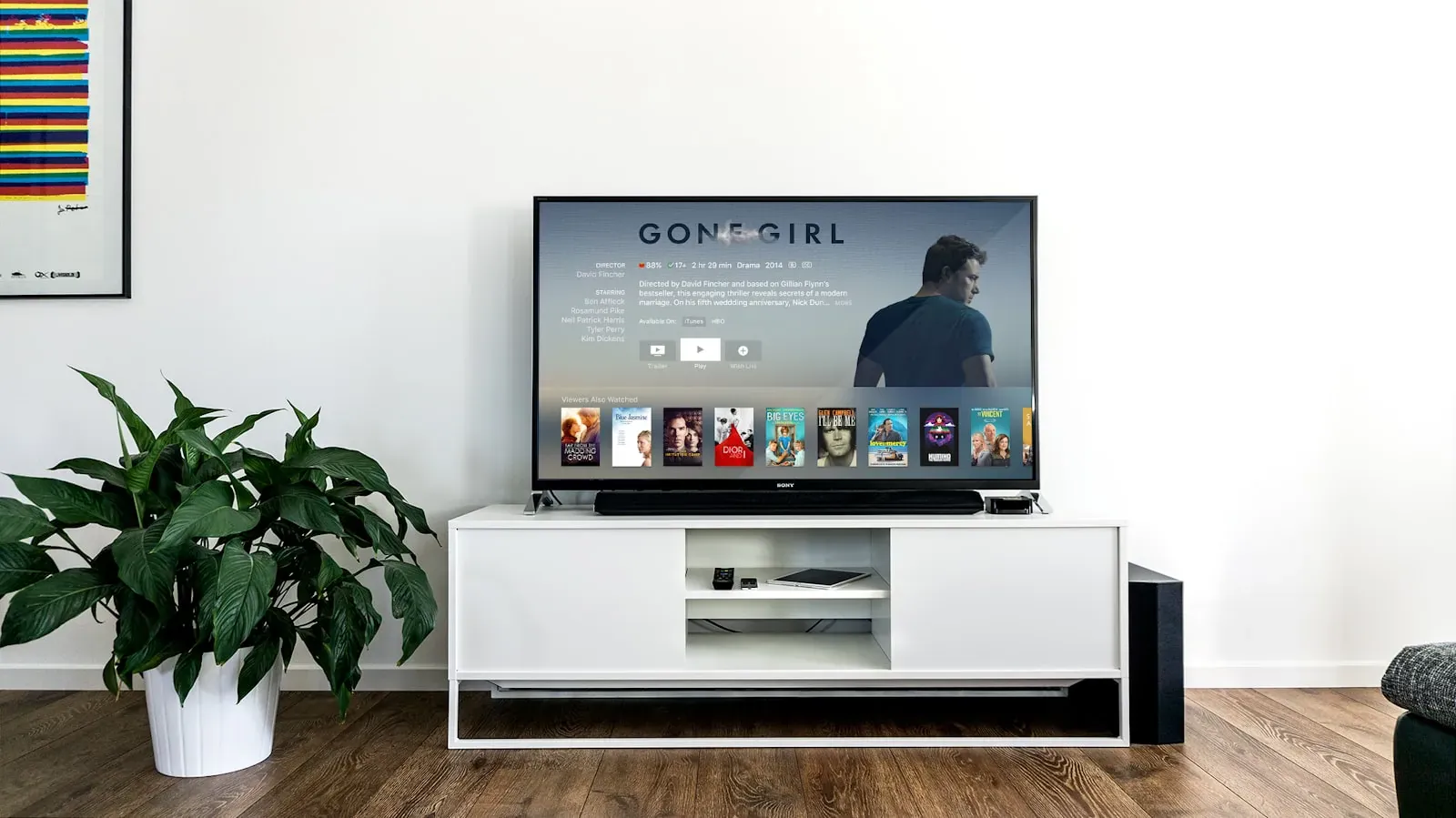
Soundbar or system: what the living room really needs
A soundbar is connected in ten minutes; a system with amplifier and speakers sounds better. When which solution fits – and what lies in between.

Music streaming in hi-fi quality: what you really hear
Spotify, Apple Music, Tidal, Qobuz or Amazon – the services advertise lossless and Hi-Res. What lies behind the formats, where the difference becomes audible and which route brings the music cleanly to the speaker.
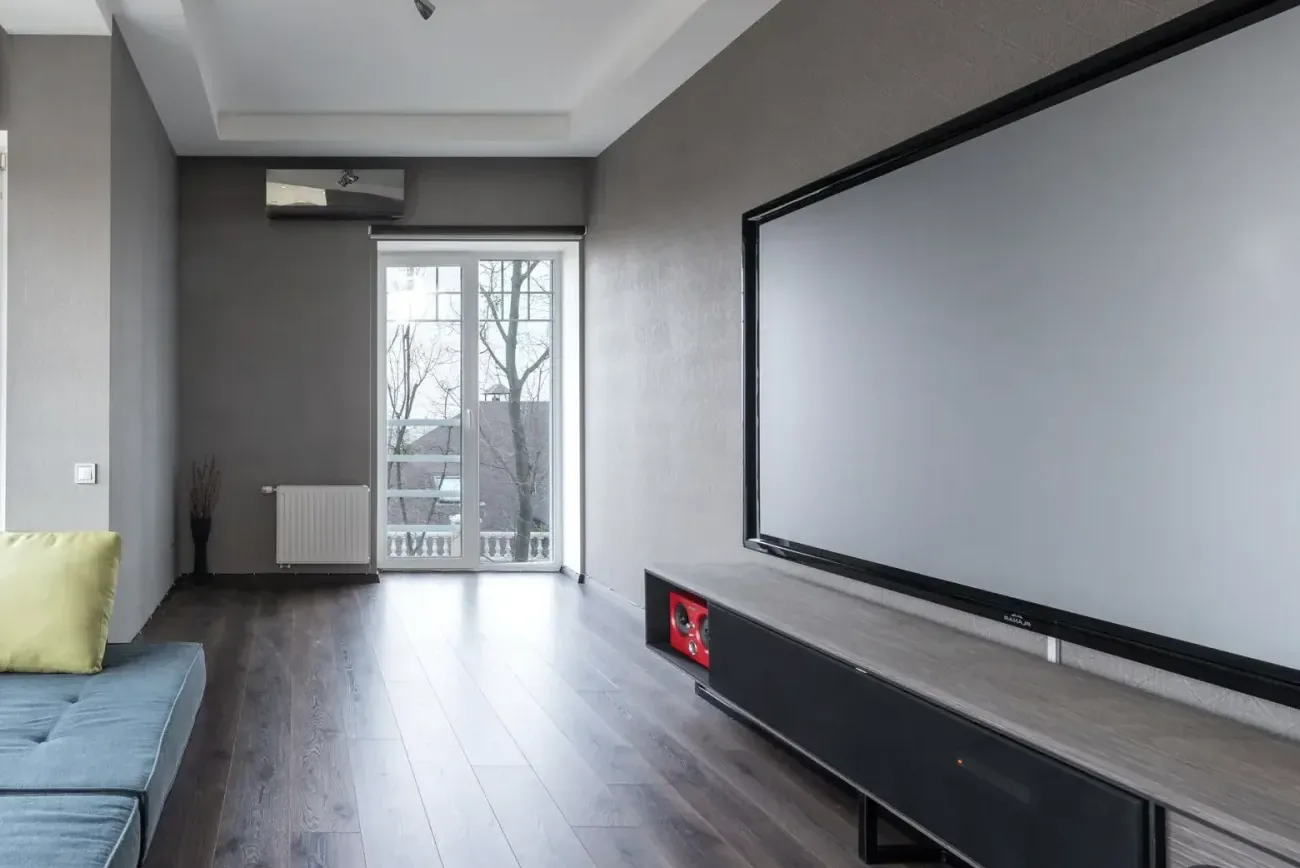
Atmos, eARC, codecs, watts: sound terms explained plainly
The audio world loves abbreviations. We explain the terms that come up most often in consultations – and which of them actually count when buying.