Planning
Planning smart lighting: scenes, dimming, colour temperature
Lighting is the most-used function in the smart home – and the most often badly planned. How lighting scenes, tunable white, DALI and presence sensors work together, and which mistakes to avoid.
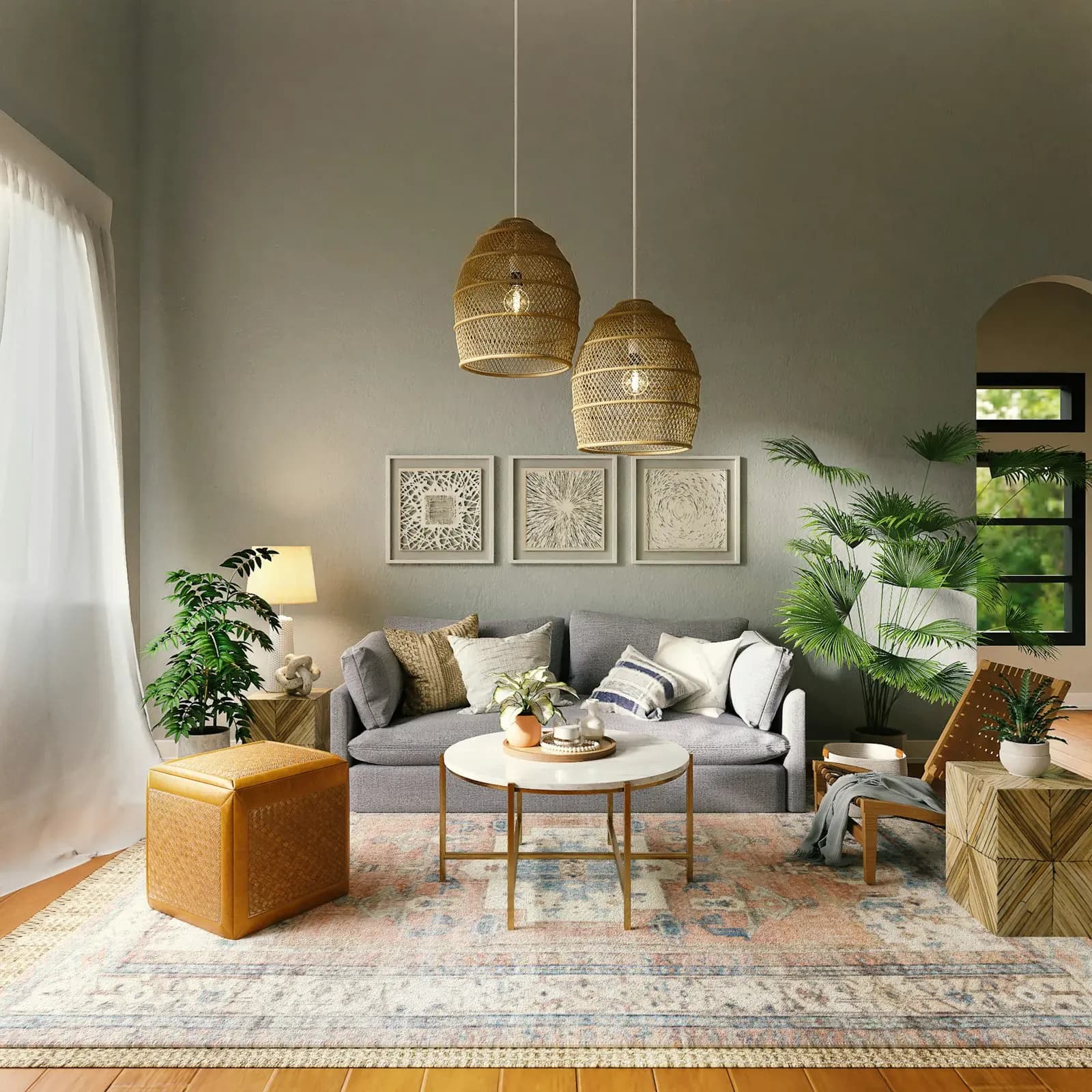
Lighting is the function used most often in the smart home – and most often planned badly. In consultations we see houses with twenty dimming circuits and not one scene anyone needs. The difference between a good lighting system and an annoying one arises on paper, long before the first luminaire.
What belongs in a lighting plan?
At the start stands not the luminaire but the question of what happens in a room. A living room has at least three situations: everyday, reading, film night. Each needs a different mix of general light, task light and accent light. Only from that follows how many separately dimmable circuits a room needs. As a rule of thumb: three circuits per living room, two in secondary rooms, one in the hallway. The situations later become the lighting scenes: stored combinations of brightness and colour temperature that one press of a button recalls. Good scenes are called "Cooking", "Film" or "Night", not "Scene 3" – and four per room are enough.
Colour temperature across the day
Daylight changes from around 2,700 kelvin in the morning through 5,500 kelvin at midday back to warm tones in the evening. Human centric lighting reproduces this course in the house: cooler, brighter light in the morning, warm, dimmed light in the evening that prepares the body for sleep. Technically it needs tunable white luminaires with two LED colours that are mixed continuously. That makes sense where you stay for long: kitchen, living room, home office, children's room.
Dimming: phase-cut, 1–10 V or DALI
How dimming is done decides about flicker, hum and whether the colour temperature can be controlled at all.
| Method | Suited to | Limits |
|---|---|---|
| Phase-cut (230 V) | retrofit LED lamps, retrofitting | flicker with unsuitable lamps, no tunable white |
| 1–10 V | simple LED drivers, secondary rooms | brightness only, one control cable per circuit |
| DALI | new builds, tunable white, many luminaires | own bus cable, planning with the electrician required |
DALI is the cleanest solution in a new build: every luminaire has an address, groups are formed in software, and tunable white is part of the standard with device type DT8. Anyone staying with phase-cut should test dimmer and lamp together before buying – the dimmer manufacturers' compatibility lists exist for that.
Presence or motion sensor?
A motion sensor detects large movements and switches off after a run-on time. It belongs in the hallway, stairwell, cellar and garage. A presence sensor also detects small movements – a hand on the keyboard – and additionally measures brightness. It belongs in the office, the bathroom and the kitchen. Anyone who installs a motion sensor in the office regularly sits in the dark.
Button assignment: less is more
A button with eight rockers at the living room door does not get used. What has proved itself: a short press switches the most important scene, a long press dims, a second button recalls the alternatives. The assignment should be the same in every room – top left always "everything on", bottom left always "everything off".
Typical planning mistakes
- Only one circuit per room – no scene is possible that way.
- Tunable white wanted, but phase-cut dimmers ordered.
- Motion sensor in the office instead of a presence sensor.
- Button on the wall where the sofa will stand later.
Conclusion
Good lighting planning begins with situations, not with luminaires. Then follow circuits, dimming method, sensors and buttons – in that order. We explain tunable white, DALI and lighting scenes using your own rooms as the example; in the consultation we go through your floor plan room by room.
More articles
News
From X10 to Matter: where the smart home comes from
The idea of a house that thinks along is fifty years old. A short history of home automation – from a Scottish plug socket to a common standard.
KNX explained: the standard that has held for 30 years
KNX is the bus system electrical planners in Switzerland rely on most often. How it works, what it costs and for whom it is the right choice.
Loxone explained: the smart home from a single source
One Miniserver, one manufacturer, one piece of software: Loxone promises home automation without a babel of protocols. What the system can do and where its limits lie.