Technology
Loading time is revenue: what Core Web Vitals really mean
Since 2020 Google has measured how quickly and calmly a page loads. The three values are easy to explain – and usually cheap to improve.
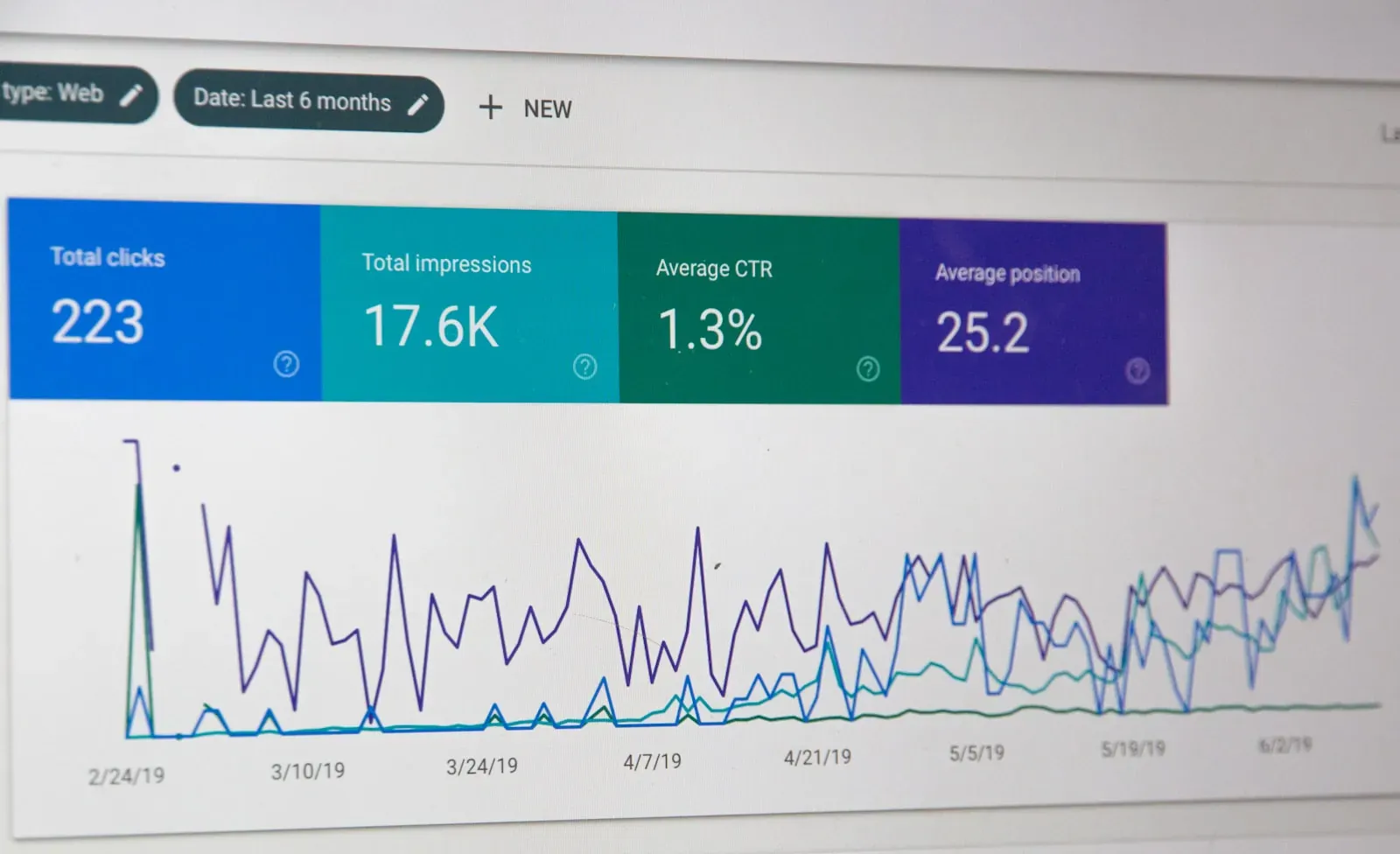
Since 2020 Google has rated not only what is on a page but how it feels. Three metrics sum that up. They sound technical but mean very everyday things.
LCP: when is the most important thing visible?
Largest Contentful Paint measures when the largest visible content is in place – usually the main image or the headline. Under 2.5 seconds counts as good. The most common brake is an image that is too big. Modern formats, correct sizes and an early loading hint solve that in most cases.
INP: how quickly does the page respond?
Interaction to Next Paint replaced the old FID value in 2024 and measures how long it takes after a click for something to happen. Under 200 milliseconds is good. Poor values almost always come from too much script executed on load – trackers, chat windows, fonts from external sources.
CLS: does the layout jump?
Cumulative Layout Shift measures how much content shifts while loading. Anyone who has ever clicked in the wrong place because an ad loaded late knows the problem. The solution is banal: reserve fixed sizes for images and ad spaces.
What that brings in practice
One second less loading time changes bounce rate and completed orders measurably. We deliver websites with pre-rendered pages, load images at the right size and embed no external scripts without knowing the price of them. That is not magic but craft.
What we do on every project
- Deliver images in modern formats and at the size the device really needs.
- Pre-render pages where the content rarely changes.
- Host fonts ourselves instead of loading them from external servers.
- Load scripts only when they are needed – chat, maps, trackers.
- Fixed aspect ratios for all images so that nothing jumps.
What you can check yourself
Google provides two tools: PageSpeed Insights for a single measurement and Search Console for the real values of your own visitors over 28 days. The second one counts, because it measures real devices and connections, not a data centre.
The look at the phone matters. Over half of visits come via mobile, often over cellular. A page that stands in one second on the office computer can take five on the move.
The link to revenue
Studies by large retailers have shown the same pattern for years: every additional second of loading time costs orders in the double-digit percentage range. For a small shop with a hundred orders a month that is not an academic topic but the difference between ten and twelve orders a week.
More articles
News

When nobody googles any more: visibility in AI answers
ChatGPT, Perplexity and Google AI answer questions instead of showing links. Anyone who wants to be mentioned has to write differently.

FADP for websites: what SMEs really have to implement
The revised Data Protection Act has applied since September 2023. What is mandatory for your website, what merely looks good – and the checklist for the next meeting.

Local search: why the Google profile often brings more than the website
For businesses with premises, the Google Business Profile is the most important entry on the web. And the most neglected.