Headphones
Buying headphones: noise cancelling, sound, television without disturbing anyone
Over-ear or in-ear, with or without noise cancelling, Bluetooth or cable? An orientation – including the question of how to watch television in the evening without waking the house.
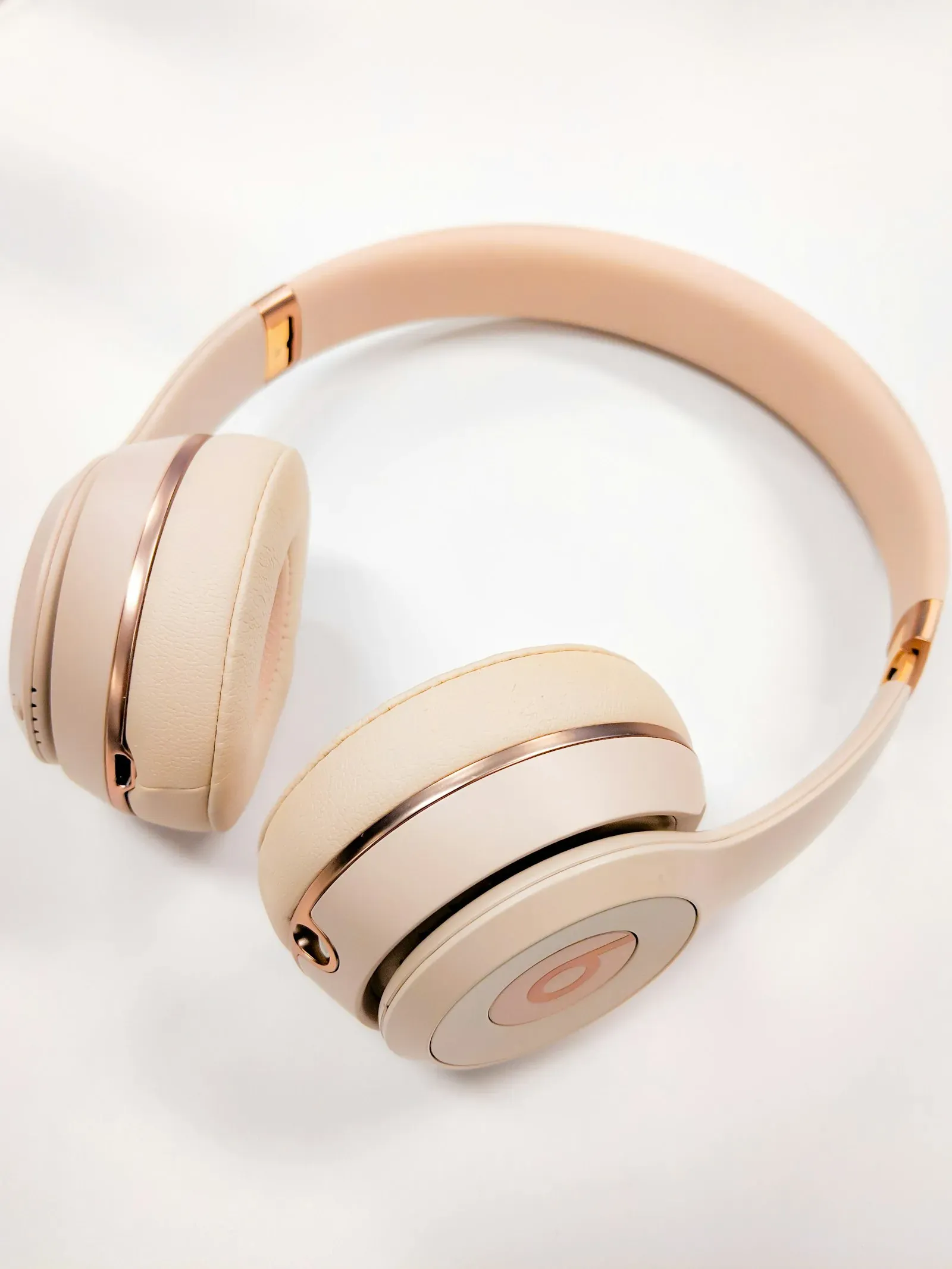
Headphones have become the best-selling audio device – and the one with the biggest differences. Between a good and a bad model lie worlds, not just in price. What counts when buying, sorted by use.
Form
Over-ear encloses the ear, sits comfortably for hours and offers the best sound and the best noise cancelling. On-ear rests on the ear, is smaller, but presses over time. In-ear sits in the ear canal, is the most practical on the move and has caught up with good models.
Noise cancelling
Active noise cancelling (ANC) measures the noise and cancels it with anti-sound. It works very well on steady noise – train, aircraft, ventilation – less so on voices. Leading are Sony (WH-1000X series), Bose (QuietComfort) and Apple (AirPods Pro and Max); Sennheiser, Sonos and Bang & Olufsen follow with their own sound character. A transparency mode that deliberately lets the surroundings through is as important in daily life as the cancelling itself.
Sound
Closed headphones isolate; open ones sound airier but let noise through – ideal at home. Anyone who listens to music seriously will find wired headphones at Sennheiser, Beyerdynamic, Audio-Technica and Focal that, with a small amplifier, outperform any Bluetooth solution. On the move, Bluetooth with a good codec (AAC on Apple, aptX or LDAC on Android) is more than sufficient.
Battery, multipoint, comfort
Over 30 hours of runtime are usual for over-ear models, 6 to 8 hours plus charging case for in-ear. Multipoint connects phone and computer at the same time – indispensable for working from home. And comfort decides whether they get used: headphones that press after an hour stay in the drawer.
Watching television with headphones
The classic: one partner wants to sleep, the other to watch the film. Bluetooth straight from the television works, but often has a delay that puts lips and sound out of step. Better are wireless headphones with their own transmitter base (Sennheiser RS, for instance), which hang on the television or amplifier and have no delay; they can also be set with a speech intelligibility function, a real gain for older viewers. Some televisions play headphones and speakers at the same time – so everyone hears at their own volume.
Listening with a hearing aid
Modern hearing aids speak Bluetooth. With LE Audio and Auracast a standard is arriving with which the television transmits directly into the hearing aid – without an extra device. We set that up when television and hearing aid support it, or add a transmitter.
The recommendation
Commuters: in-ear with noise cancelling. Home office and travel: over-ear with ANC and multipoint. Music listeners at home: open wired headphones with a small amplifier. Television in the evening: wireless headphones with base. All of it can be tried on before buying – with your own music.
More articles
News
Soundbar or system: what the living room really needs
A soundbar is connected in ten minutes; a system with amplifier and speakers sounds better. When which solution fits – and what lies in between.
Music streaming in hi-fi quality: what you really hear
Spotify, Apple Music, Tidal, Qobuz or Amazon – the services advertise lossless and Hi-Res. What lies behind the formats, where the difference becomes audible and which route brings the music cleanly to the speaker.
Atmos, eARC, codecs, watts: sound terms explained plainly
The audio world loves abbreviations. We explain the terms that come up most often in consultations – and which of them actually count when buying.