Care
How long a television lasts – and what it uses in a year
Burn-in, updates, cleaning, power consumption: what really determines a television's lifespan and what you can do about it.
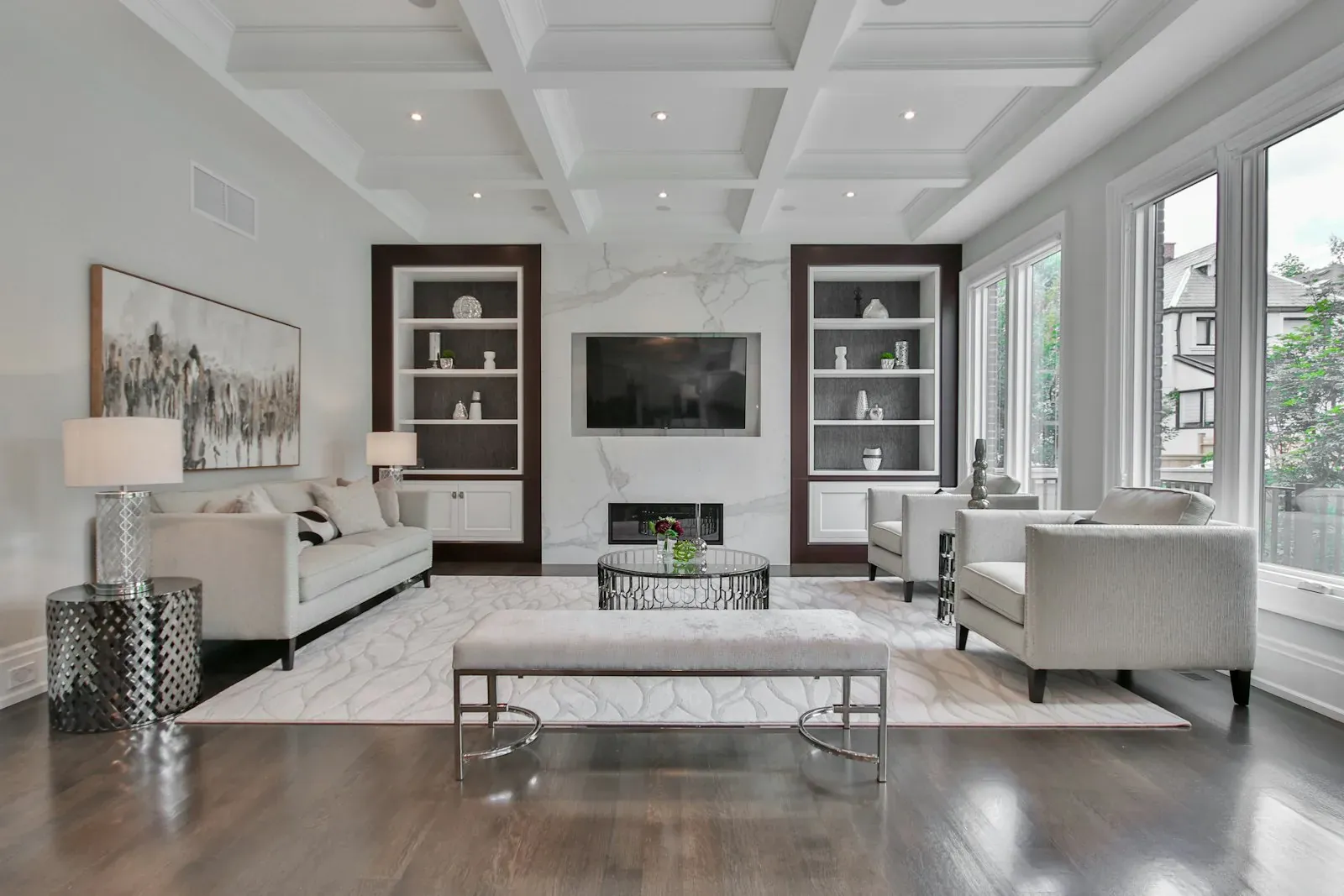
A good television should last eight to ten years. Whether it manages that depends less on luck than on a few habits – and on knowing what the energy label means.
Burn-in on OLED
The issue has become smaller, but has not disappeared. OLED pixels age with the brightness they deliver; if a logo or news ticker sits in the same place for hours every day, a shadow can remain. Current sets shift the picture minimally, dim fixed elements and run maintenance programmes at night. Important: leave the television connected to the mains and switch it off with the remote, not at the power strip – otherwise the maintenance programmes never run. For households with a news channel on for hours, Mini-LED remains the more carefree choice.
Brightness
Full brightness for years shortens the life of any technology. The ambient light sensor turns it down automatically in the evening; that spares eyes, panel and electricity bill.
Updates
Manufacturers supply updates for premium sets for several years, fixing bugs and keeping apps current. Enable automatic updates. If a television drops out of support after five or six years, a streaming box turns it back into a current device.
Cleaning
Only a dry or slightly damp microfibre cloth, without pressure, without glass cleaner, without alcohol. The surface of modern panels is anti-reflective and delicate; cleaners leave streaks that never go away. The remote control also appreciates a cloth once a month.
Power: reading the label
Since 2021 the new energy label runs from A to G, and almost all large televisions land in E, F or G. That is not an alarm signal but the stricter yardstick. What matters is the consumption in kilowatt-hours per 1,000 hours printed on the label. A 65-inch OLED uses roughly 100 to 150 watts in normal viewing, more in HDR; a Mini-LED set of the same size at full brightness about the same. At four hours a day that adds up to around 150 to 220 kilowatt-hours a year – about as much as a modern refrigerator. Eco mode saves a third, often at the picture's expense; the light sensor is the better choice.
Standby
Current sets use less than half a watt in standby. Functions such as "quick start" or a voice assistant in standby raise that to several watts – switch them off if you do not use them.
Warranty and repair
In Switzerland the statutory warranty of two years applies; manufacturers and retailers sometimes extend it. With panel damage a repair is usually not worthwhile; power supplies, ports and software, on the other hand, can be fixed. We help with the assessment before a set is thrown away.
The rule of thumb
Sensor on, power strip out, updates automatic, cloth instead of cleaner. That way a good television lasts until you replace it out of appetite for something new, not out of necessity.
More articles
News
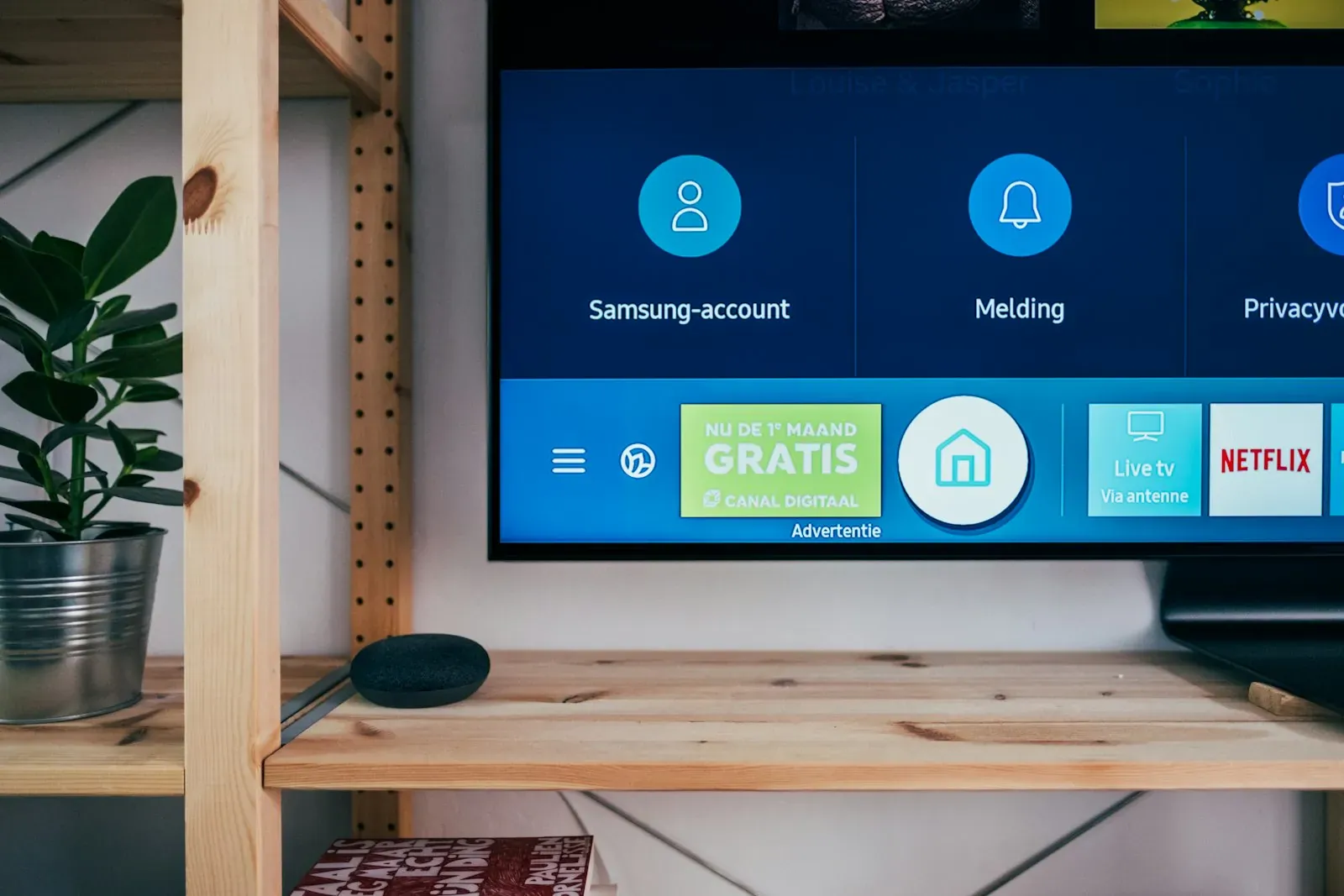
HDR, nits, VRR, eARC: television terms explained clearly
Manufacturers' data sheets read like a riddle. We translate the most important terms – and say which ones really count when buying.
Which TV size for which seating distance? The rules of thumb
The right screen diagonal depends on seating distance and resolution, not on the shelf in the shop. Rules of thumb, a table and the limit beyond which a projector makes more sense.
OLED, QLED or Mini-LED: which television for which room
The technology inside the television decides less than the room it hangs in. A decision aid by lighting conditions.