Comparison
KNX or Loxone? The comparison without a sales pitch
Two philosophies, one goal. Decentralised versus central, open standard versus complete system – and what else comes into question before the cables are pulled.
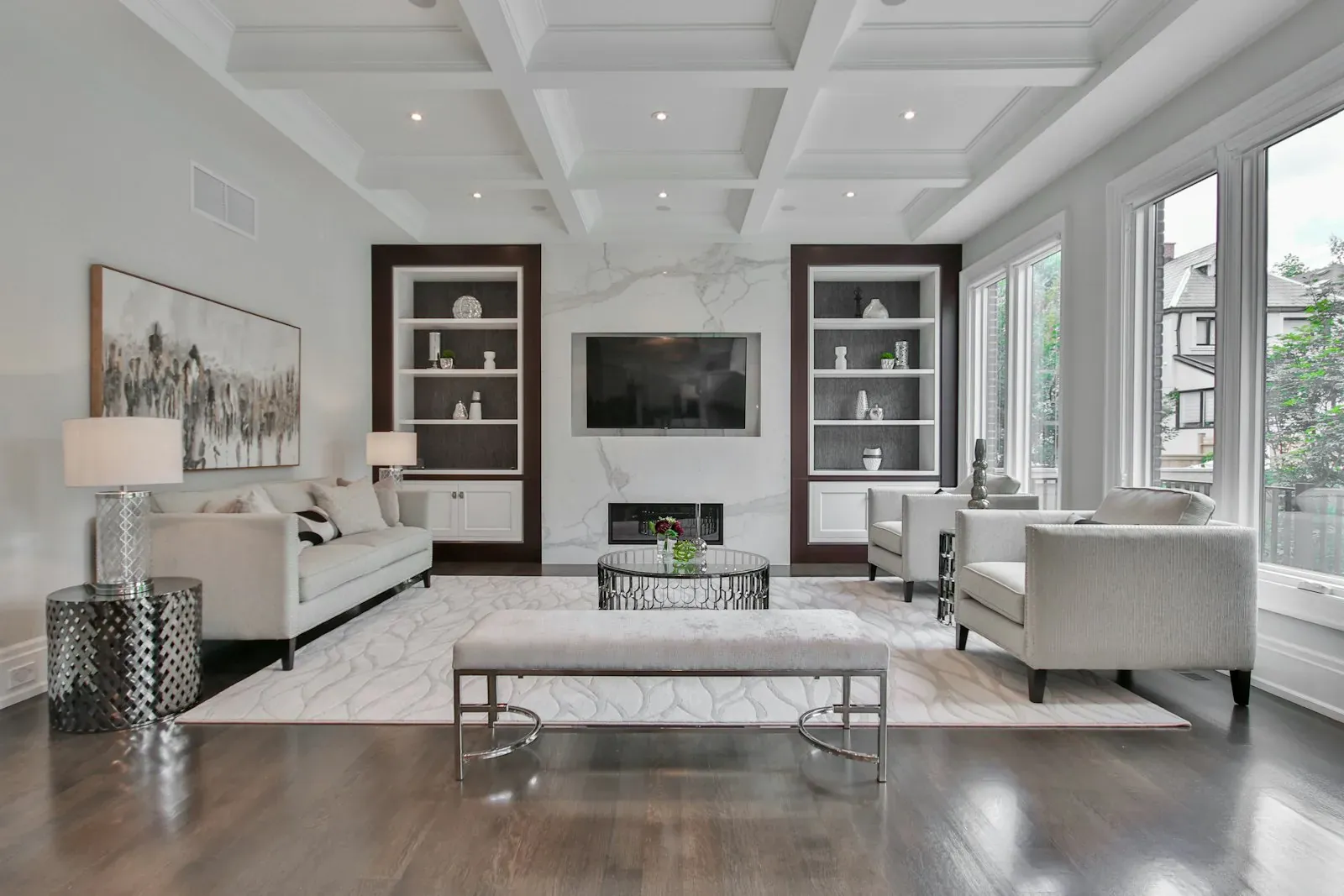
The question of KNX or Loxone reaches us with almost every new build. It is legitimate, but wrongly put: both systems control lighting, blinds, heating and access reliably. The difference lies in the architecture, the operating concept and the question of whom you trust in twenty years.
Architecture: decentralised versus central
With KNX, every device carries its own programme. A button knows which lamp it switches, even if everything else fails. With Loxone, all the threads come together in the Miniserver. That allows more complex logic and uniform operation, but makes the server the single point of failure. In practice Miniservers are very reliable; anyone who wants the security keeps a spare device with a backed-up configuration ready.
Openness: standard versus manufacturer
KNX is an international standard with hundreds of manufacturers. Loxone is a company with its own ecosystem that integrates third-party systems through interfaces. For a detached house with a fifteen-year horizon that is rarely decisive. For an apartment building, a commercial building or a client who wants to be able to change integrator later, openness argues for KNX.
Operation and app
Loxone supplies app, visualisation and remote access. With KNX, an additional server is needed – from Gira, ABB, Jung or as an open solution with Home Assistant. That costs extra but brings free choice: a KNX installation can be connected to Apple Home, Google Home or Alexa without the bus noticing anything.
Costs
For the same scope of functions, Loxone is usually somewhat cheaper in a detached house, because app and logic are included in the price. KNX catches up the larger the building gets and the longer the period of use. What counts is not the brand but the number of channels and the programming effort. So compare quotes by functions, not by product names.
The combination
Many of our installations are neither one nor the other, but both: KNX as the basic installation for buttons, lighting, blinds and heating, plus a Miniserver or another server for logic, energy management, music and operation. That way the electrical installation stays manufacturer-independent, and the intelligence above it can be replaced in ten years without opening a wall.
What else comes into question
- digitalSTROM: Swiss system that communicates over the power line and manages without a bus cable in older buildings.
- Feller zeptrion: simple, robust lighting control from Switzerland when a full bus is not needed.
- Homematic IP Wired: inexpensive bus with its own hub, widespread mainly in Germany.
- Home Assistant: open software as the hub above everything, for technically minded residents.
- Radio with Matter and Thread: for renting, retrofitting and everything added later.
Our recommendation
New build with a long horizon: KNX as the base, logic above it freely chosen. New build or renovation with a wish for plenty of automation and quick implementation: Loxone. Existing house without renovation: radio. In every case: first the wishes, then the system, last the brand.
More articles
News
From X10 to Matter: where the smart home comes from
The idea of a house that thinks along is fifty years old. A short history of home automation – from a Scottish plug socket to a common standard.
KNX explained: the standard that has held for 30 years
KNX is the bus system electrical planners in Switzerland rely on most often. How it works, what it costs and for whom it is the right choice.

Loxone explained: the smart home from a single source
One Miniserver, one manufacturer, one piece of software: Loxone promises home automation without a babel of protocols. What the system can do and where its limits lie.