Data protection
Local or cloud: who your smart home belongs to
A smart home knows when you sleep, when you are away and who is at the door. Why we prefer local systems and which rules should apply in every house.
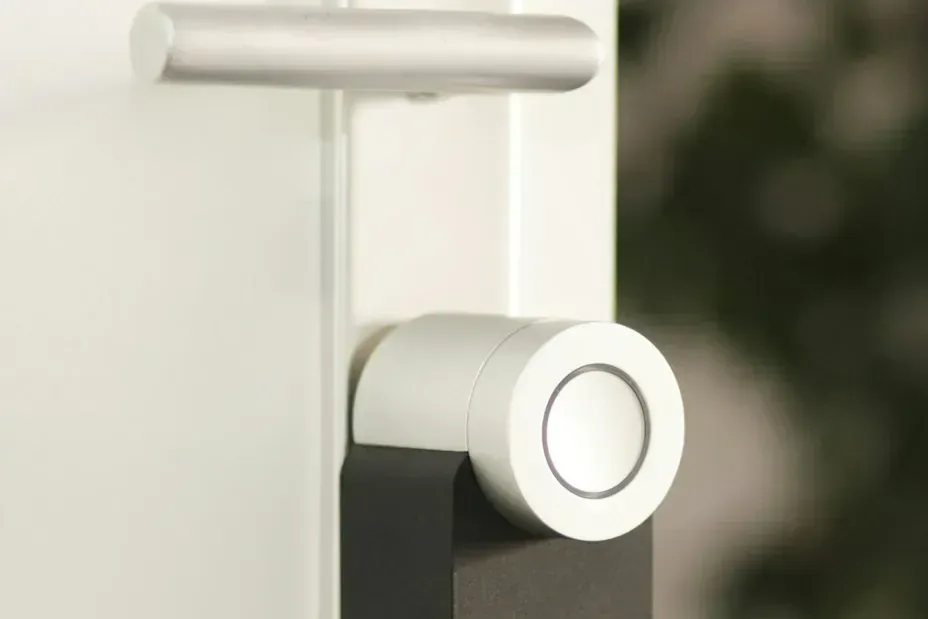
The question of data protection does not arise abstractly in the smart home. A presence sensor knows when someone is at home. A door lock knows who comes and when. A camera sees what happens in front of the house. The real question is: where is this information processed – and who can switch it off?
Local means: it works without the internet too
KNX, Loxone, Home Assistant and many radio systems process everything inside the house. The button switches the lamp without a server overseas learning of it. If the internet goes down, the house keeps working. If the manufacturer goes bankrupt, the house keeps working. That is no theoretical risk: in 2022 the American provider Insteon switched off its servers overnight, and thousands of installations became unusable until new owners revived the service.
Cloud means: convenient, but borrowed
Cloud systems are quickly set up, work from anywhere and are continuously updated by the manufacturer. The price is dependence: on the connection, on the account, on the business model. What is free today can be a subscription tomorrow. For lamps that is bearable. For a door lock, a heating system or an alarm, we advise systems that work locally and use the cloud only for remote access.
The middle way
Most installations today are hybrid: control local, remote access via the manufacturer, voice control via Apple, Google or Amazon. That is acceptable if the cloud only provides access and does not form the foundation. A good test question: what still works if I unplug the internet? Everything that fails then is borrowed.
What the law says
Since September 2023 the revised Data Protection Act has applied in Switzerland. For the private household that means above all restraint with cameras: you may film your own property, not the pavement and not the neighbour. Guests should know that recordings are made. And anyone employing a cleaner, a nanny or tradespeople does not film them secretly.
Ten rules for every house
- A separate network for smart home devices, apart from the work computer.
- Separate passwords for every account and two-factor login wherever it is offered.
- Devices only from manufacturers who deliver updates – and actually install them.
- Indoor cameras with a physical shutter or switch-off when someone is present.
- Microphones muted when not needed.
- No remote access that nobody uses: whatever is open is attackable.
- Delete recordings and logs regularly, do not keep them forever.
- A backup of the configuration outside the installation.
- Time-limit access for guests and tradespeople.
- Check once a year: which devices, which accounts, which cloud – and what is still needed.
Our stance
We build installations that stay in the house. Remote access and voice control come on top if you wish, with clear limits. A smart home should make life easier – not turn the residents into the product.
More articles
News

From X10 to Matter: where the smart home comes from
The idea of a house that thinks along is fifty years old. A short history of home automation – from a Scottish plug socket to a common standard.
KNX explained: the standard that has held for 30 years
KNX is the bus system electrical planners in Switzerland rely on most often. How it works, what it costs and for whom it is the right choice.
Loxone explained: the smart home from a single source
One Miniserver, one manufacturer, one piece of software: Loxone promises home automation without a babel of protocols. What the system can do and where its limits lie.