Outlook
The future of the smart home: energy, local intelligence, one standard
The smart home of the next few years will be less colourful and more useful. Three developments we consider certain, and one we doubt.
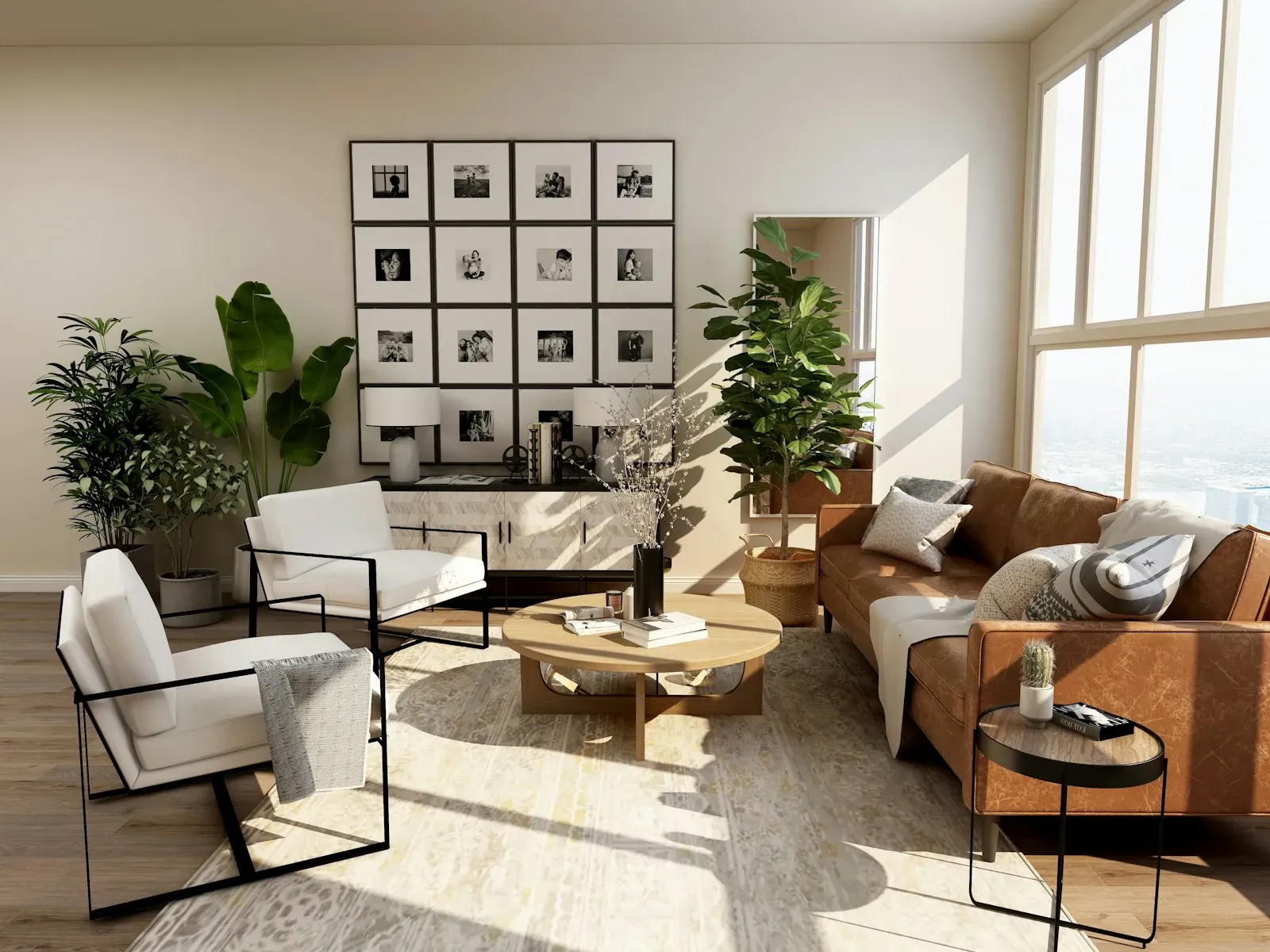
Forecasts about the smart home were for a long time the wishful thinking of manufacturers. Today three directions can be named with some certainty, because they depend not on trends but on laws, physics and standards.
First: the house becomes an energy manager
Photovoltaics on the roof, a heat pump in the cellar, an electric car in the garage, perhaps a battery: with that, every house becomes a small power station with its own load peaks. The task of the smart home shifts from lighting to energy. It decides when the car charges, when the heat pump heats the boiler and when the battery bridges the evening.
In Switzerland there is movement too: by the end of 2027 most households must be fitted with smart meters, and the new electricity act makes local electricity communities possible, in which neighbours trade solar power among themselves. Dynamic tariffs, where electricity is cheaper at certain hours, are already reality at the first utilities. A house that automatically shifts consumers into the cheap hours then saves every day.
Second: intelligence moves back into the house
The first voice assistants sent every word to the cloud. That era is coming to an end. Speech processing, image recognition and simple models now run on devices that fit in the distribution board. A smart home that understands locally what is said responds faster, works during an internet outage and keeps the recordings in the house. Home Assistant showed the way; the big platforms are following. For clients that means: plan computing power in the distribution board, not only relays.
Third: Matter grows up
The common standard now also covers household appliances, wallboxes, heat pumps, solar installations and battery storage. What still runs through manufacturer apps today will appear in one interface over the next few years. Operation does not become spectacular as a result, but finally uniform. For an installation built today, a Thread network and a Matter-capable hub are the best insurance against islands.
What we doubt
The fully talking house. Voice is handy for the timer and the music, but nobody wants to argue with the kitchen in the morning. Buttons, presence sensors and good automation remain the main controls. Technology you do not notice is the benchmark – not technology you talk to.
What this means for your planning
- Think of cables for energy: wallbox, battery, heat pump and meter need a data connection to the system.
- Allow a place for computing power in the distribution board, with network and spare capacity.
- Build a Thread network as soon as the first Matter devices move in.
- When choosing a system, look at the interfaces, not at today's app.
The smart home of the next ten years will be quieter, more frugal and more local. Anyone building today can already prepare for it – the cable for it costs almost nothing, retrofitting later a great deal.
More articles
News
From X10 to Matter: where the smart home comes from
The idea of a house that thinks along is fifty years old. A short history of home automation – from a Scottish plug socket to a common standard.
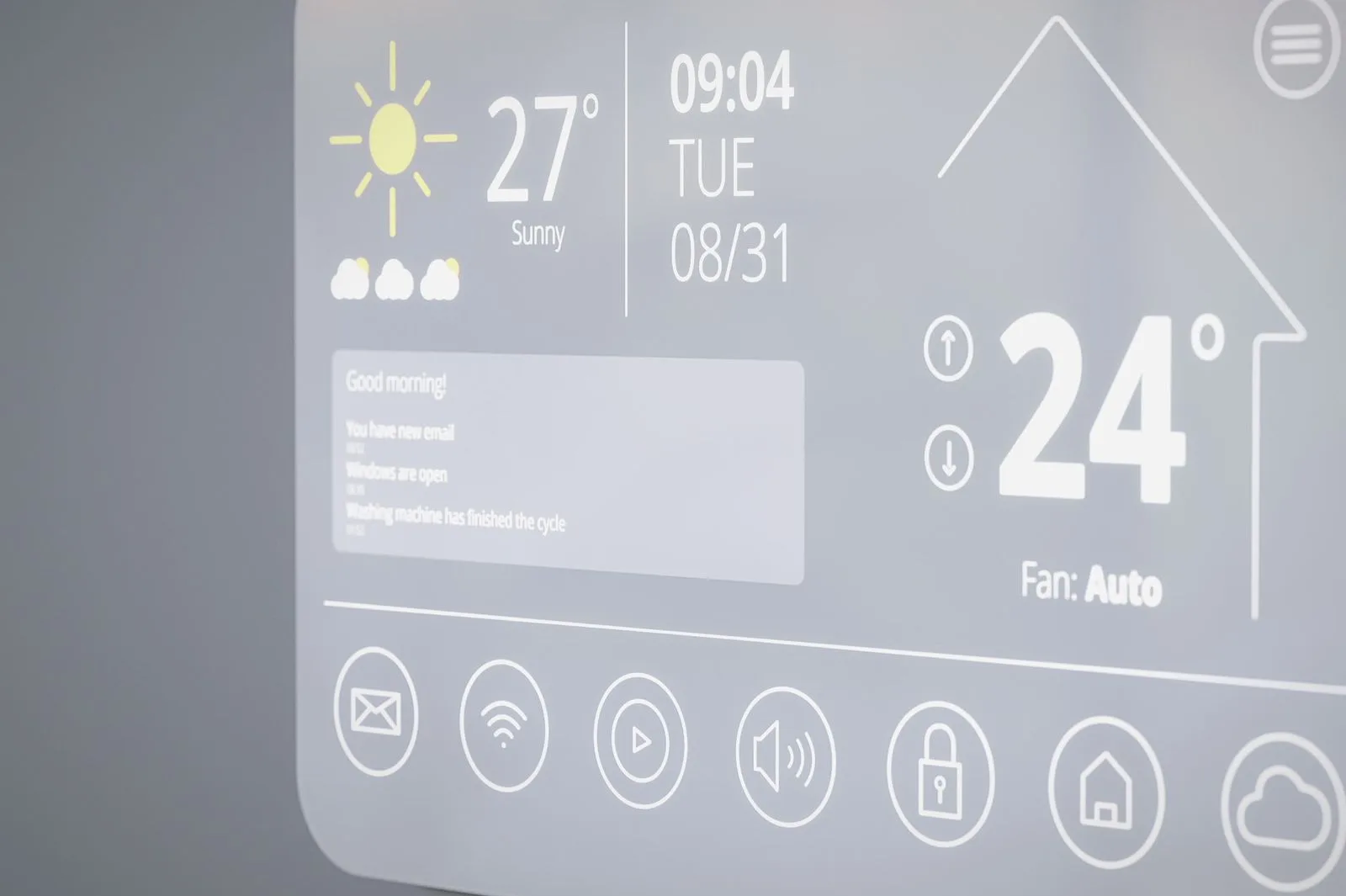
KNX explained: the standard that has held for 30 years
KNX is the bus system electrical planners in Switzerland rely on most often. How it works, what it costs and for whom it is the right choice.
Loxone explained: the smart home from a single source
One Miniserver, one manufacturer, one piece of software: Loxone promises home automation without a babel of protocols. What the system can do and where its limits lie.