Home cinema
Home cinema in the living room: when the technology disappears
A dedicated cinema room is rare. Most people want cinema in the living room – without seeing it during the day.
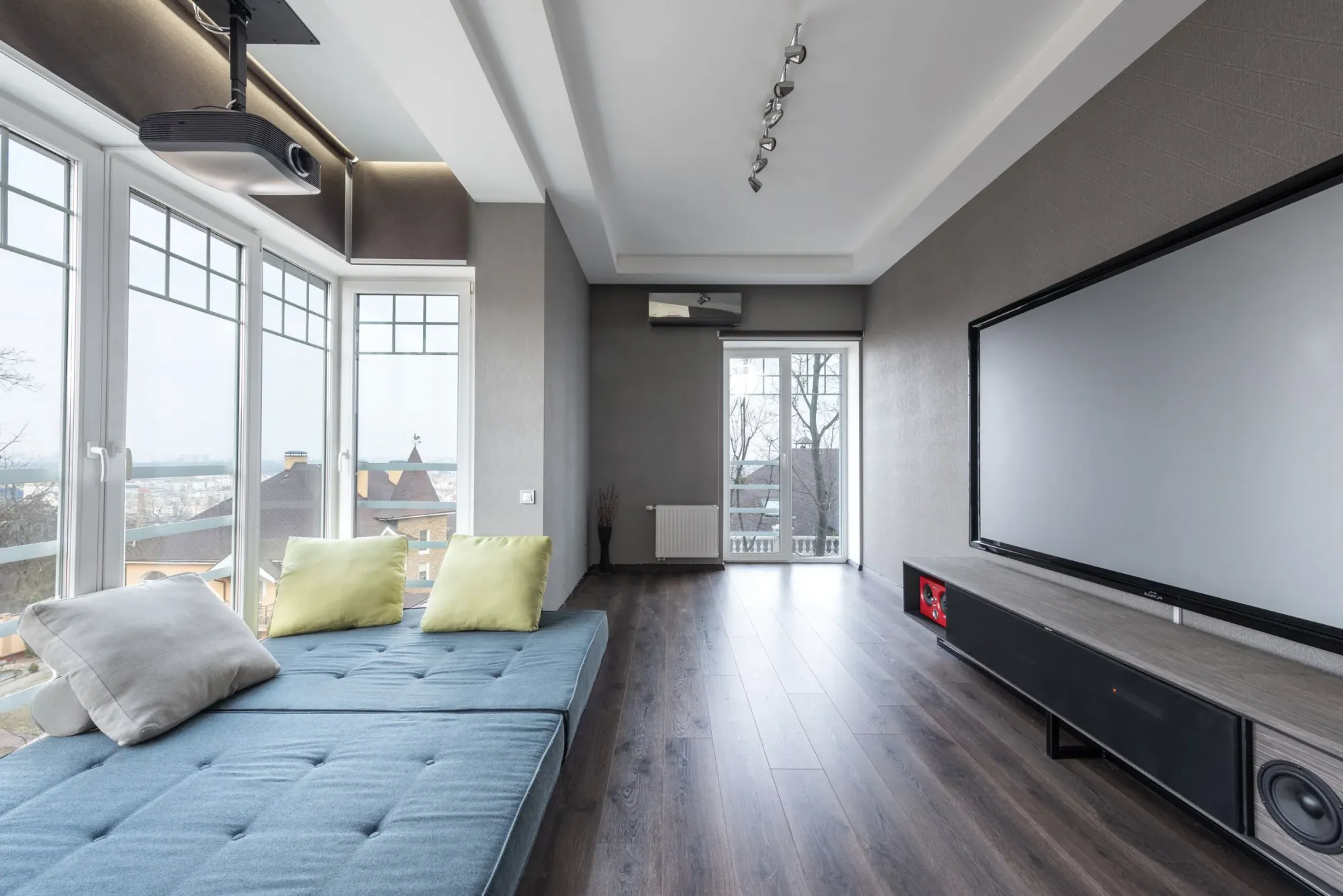
The classic cinema cellar with rows of seats is the exception. What people want is the living room that becomes a cinema in the evening and stays a living room during the day.
Screen or television?
A television is more practical day to day; a projector impresses for film and sport. The two are not mutually exclusive: a motorised screen drops from the ceiling when it is needed and disappears afterwards. What matters is the picture width: below 2.5 metres the effort is rarely worth it; above that, the cinema feeling emerges.
Laser instead of lamp
Projectors with a laser light source need no lamp changes, start in seconds and last around 20,000 hours. That has fundamentally simplified operation. For bright rooms there are screens that reject ambient light – they cost more than the fabric, but they are the difference between picture and fog.
Sound makes the film
A home cinema without good sound is a big television. For most living rooms a system of three front speakers, two surround speakers and a subwoofer is enough. Ceiling speakers for Dolby Atmos bring the biggest noticeable leap – and can be built in invisibly during a renovation.
What we clarify beforehand
- Where do people sit, and how wide may the picture become?
- How much light enters the room during the day?
- Where do amplifier, sources and cables go?
- Who operates it – and can they manage with one remote control?
What a home cinema needs
We plan a well-matched living room cinema with laser projector, screen, five-channel sound and subwoofer according to the room, the screen size and the acoustics. Ceiling speakers, a motorised screen and room correction set the frame. Upwards there is plenty of room, downwards little – anyone who has to plan very tightly is better off with a large television and a good soundbar. We give an honest ballpark after the first conversation on site.
Control the light instead of blacking out
A cinema evening begins with the blinds coming down and the light dimming. Anyone who does that by hand does it twice and then never again. That is why we link home cinema and lighting control: one button, three actions. That is the point where technology feels like comfort rather than effort.
Seating distance and picture height
For a screen three metres wide, the ideal seating distance is around four to five metres. The bottom edge of the picture should be at seated eye level or slightly above – pictures mounted too high tire the neck.
The most common mistake
Speakers that are too big in the wrong place. A cleanly calibrated smaller system sounds better than expensive floorstanders standing in the corners. We calibrate the room and show the difference on site – usually that is more convincing than any data sheet.
More articles
News
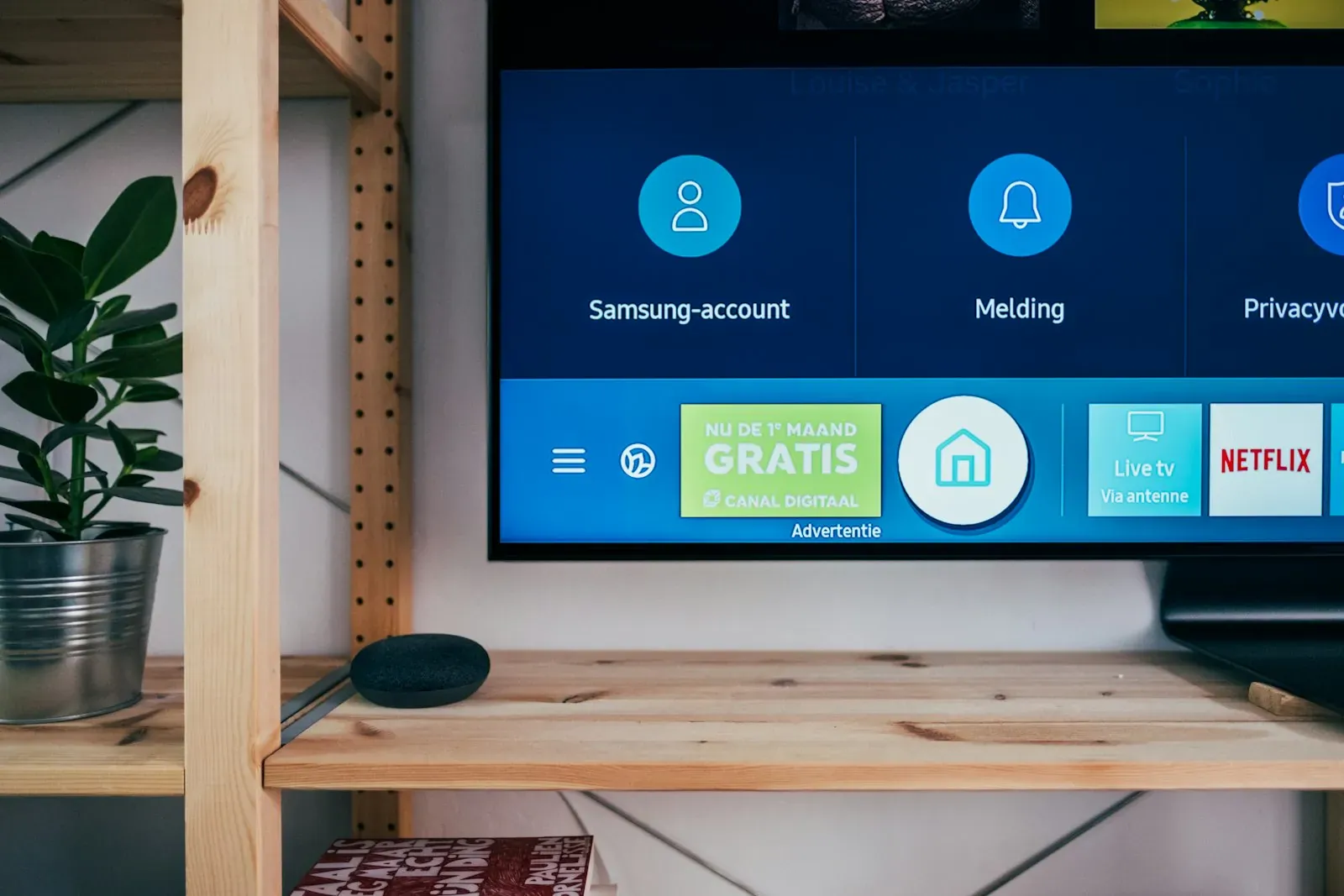
HDR, nits, VRR, eARC: television terms explained clearly
Manufacturers' data sheets read like a riddle. We translate the most important terms – and say which ones really count when buying.
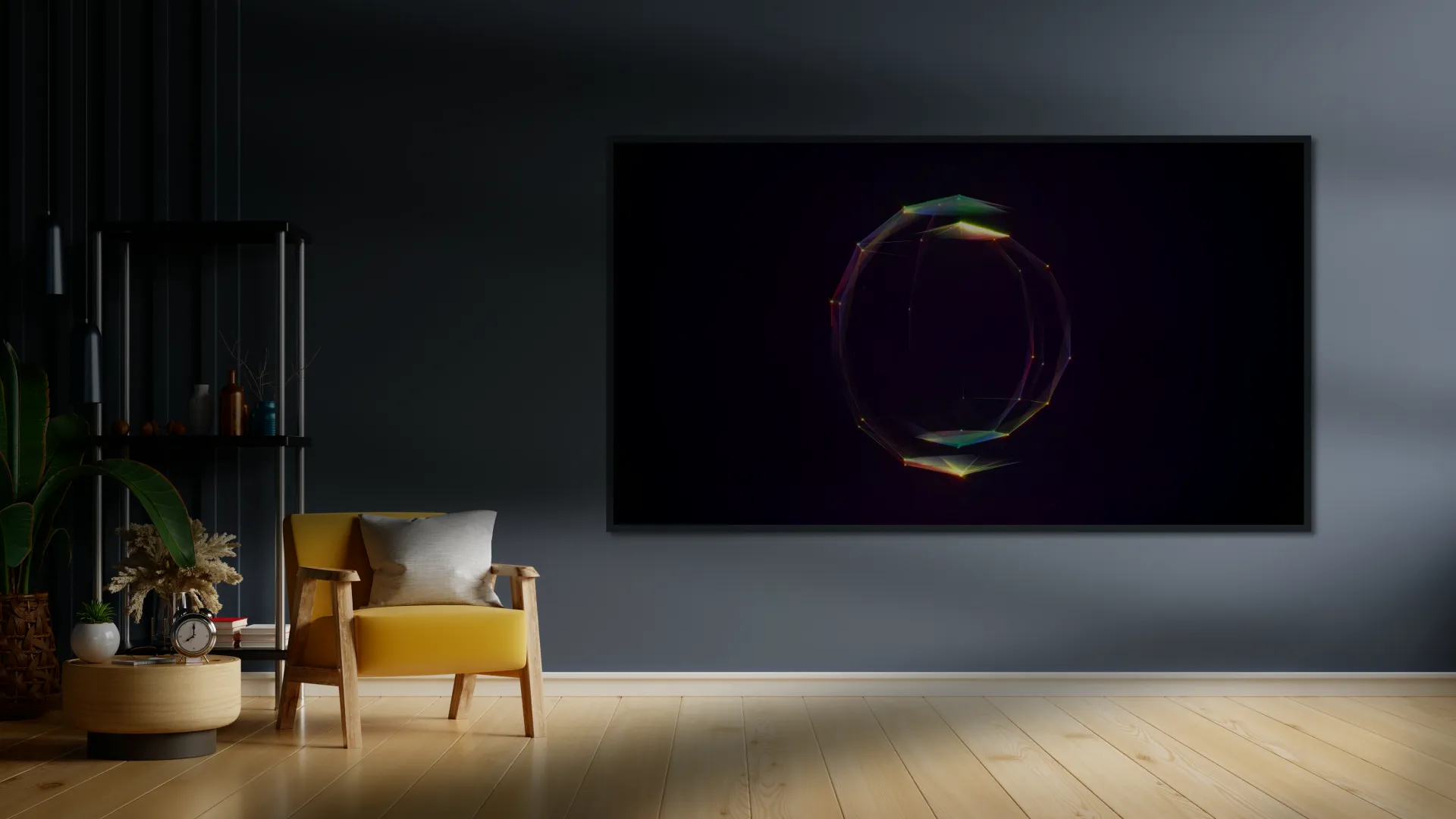
Which TV size for which seating distance? The rules of thumb
The right screen diagonal depends on seating distance and resolution, not on the shelf in the shop. Rules of thumb, a table and the limit beyond which a projector makes more sense.
OLED, QLED or Mini-LED: which television for which room
The technology inside the television decides less than the room it hangs in. A decision aid by lighting conditions.